Friday, March 20, 2026

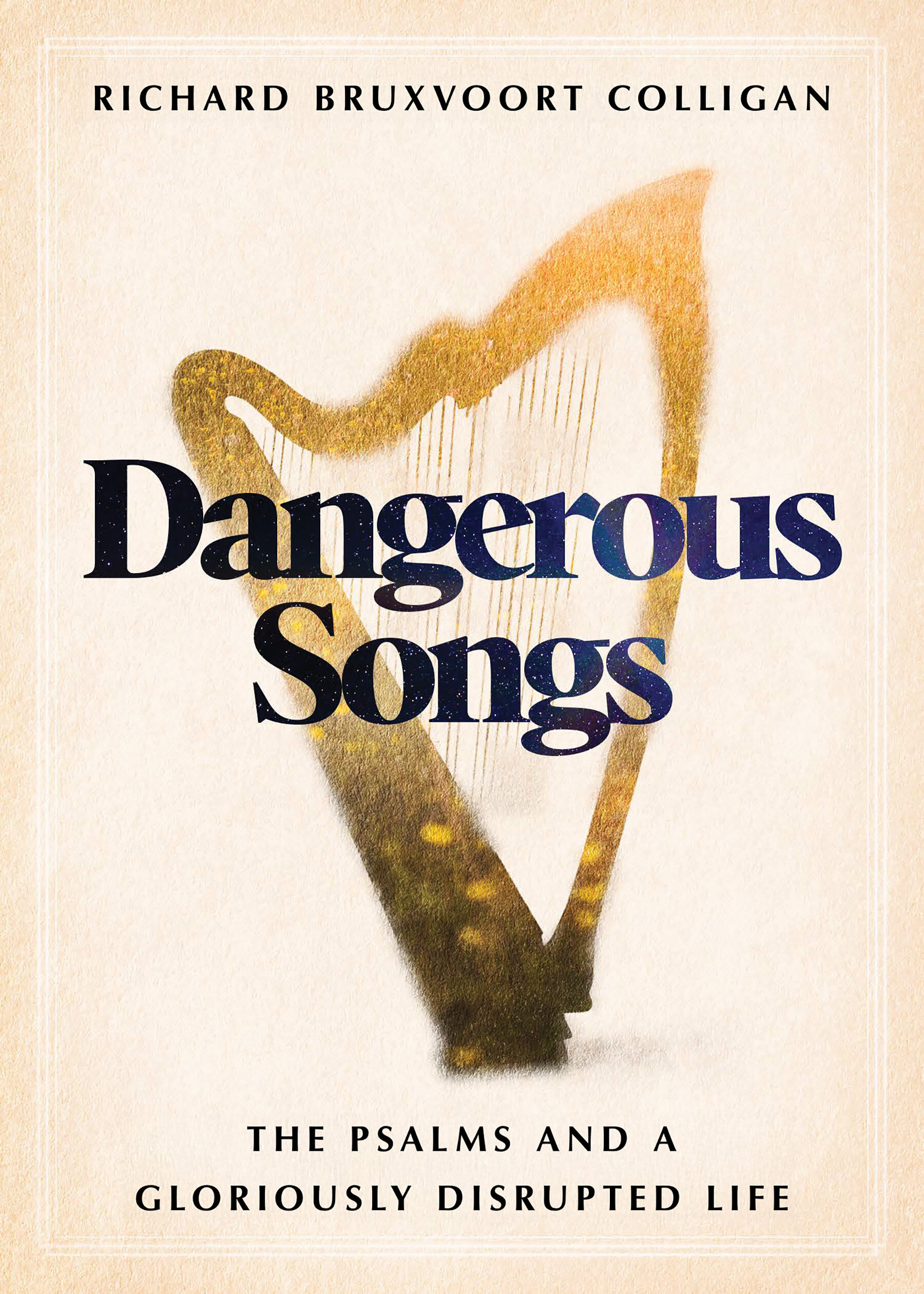
Dangerous Songs


What if the ancient poems tucked inside the Bible were never meant to be safe? That’s the provocative premise of Dangerous Songs: The Psalms and a Gloriously Disrupted Life, in which public theologian and independent musician Richard Bruxvoort Colligan argues that the Psalms are far more than hymns of quiet devotion. These songs are raw, unsettling cries from people living under oppression, grief, and uncertainty.

The book is organized around three themes woven throughout the Psalter: thriving, desolation, and unknowing. Rather than treating these poems as timeless abstractions, Colligan roots them firmly in their historical context: asking who the people of God actually were, what they endured, and why they sang what they sang. The result is a reading of the Psalms that feels less like a theology lecture and more like an excavation.

Colligan’s own background as a musician shapes the book in meaningful ways. He hears these texts the way a songwriter might, with attention to tone, tension, and the emotions that words alone can’t quite carry.

Dangerous Songs draws direct lines between ancient suffering and modern injustice. For example, the discussion of Psalm 140 reframes it as a prayer for those facing violence at the hands of the powerful, including the state itself. This is the kind of interpretation that may unsettle some readers while deeply resonating with others.

Editor's Note: This review was originally published in Portland Book Review.

Saturday, December 13, 2025

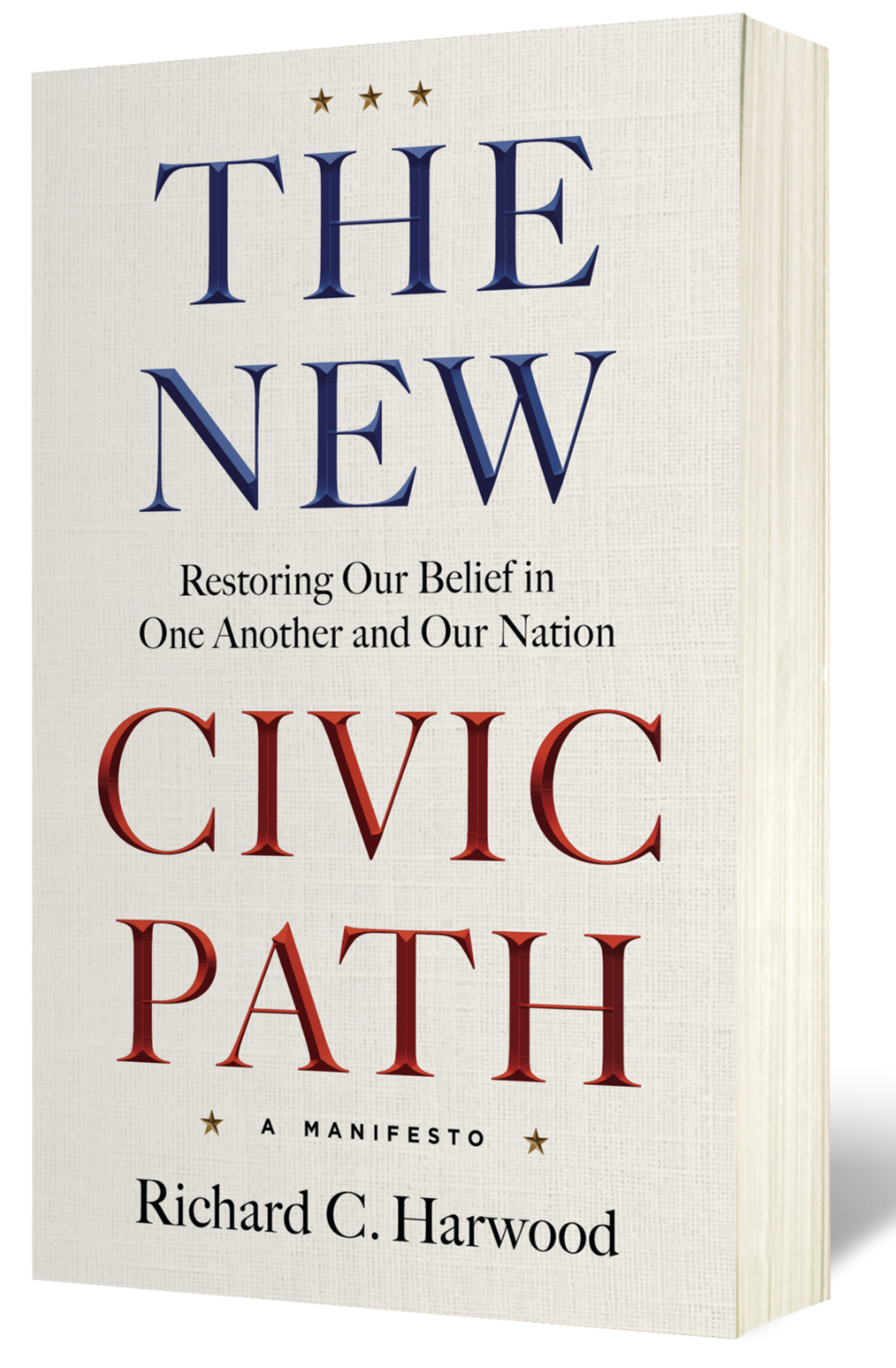
The New Civic Path


The tenuous sociopolitical divisions in the United States are unprecedented and only bound to get worse. Polarization has caused deep rifts in the political and civic fabrics of American society. As advocates for equity, community care, and inclusivity feel weary and defeated, Richard C. Harwood offers a hopeful manifesto advocating for civic renewal in America in The New Civic Path: Restoring Our Belief in One Another and Our Nation. He emphasizes the need to rebuild trust, foster authentic hope, and address societal challenges through local community action. He identifies a crisis of belief in the nation, marked by division, mistrust, and a loss of hope. He argues that meaningful change must begin at the local level, where people can come together to address shared aspirations and take small, actionable steps.

From my vantage point as an activist and social justice educator, I know the importance of creating spaces that foster connection, shared responsibility, and belonging. Inclusive engagement is central to Harwood’s message, a reminder of the value of intentionally creating spaces for inclusion. He uses real-world examples – from Reading, Pennsylvania, to DeSoto, Florida— to illustrate how diverse communities can come together to address challenges and build trust.

What I most appreciated about The New Civic Path is the focus on shared aspirations, rather than divisive issues. By reframing discussions and resisting the pull of negativity, community leaders, educators, policymakers, faith leaders, and engaged citizens can bridge divides through productive conversations and action that lead to workable solutions. In Clark County, Kentucky, local pastors united to address youth needs by creating a basketball league. The effort crossed racial, economic, and denominational lines, fostering community transformation and addressing long-standing divides. In Flint, Michigan, residents came together to address longstanding economic issues and advocate for infrastructure improvements that prioritized health and well-being for all.

While "The New Civic Path" is particularly relevant for community leaders and organizers, Harwood's approach is refreshingly free from complex public engagement jargon. His writing is clear, engaging, and inspiring, drawing readers in through storytelling and real-life examples. This persuasive and conversational style has the potential to empower people from all backgrounds, inspiring them to strengthen their communities through action, one small step at a time.

Harwood provides a hopeful and practical roadmap for communities seeking to overcome inequity, bridge divides, and cultivate a healthier civic culture. The book is a promising reminder that we can reclaim our belief in the possibility of change and that this change is within our reach.

Editor's Note: This review was originally published in Reedsy Discovery.

Saturday, November 8, 2025

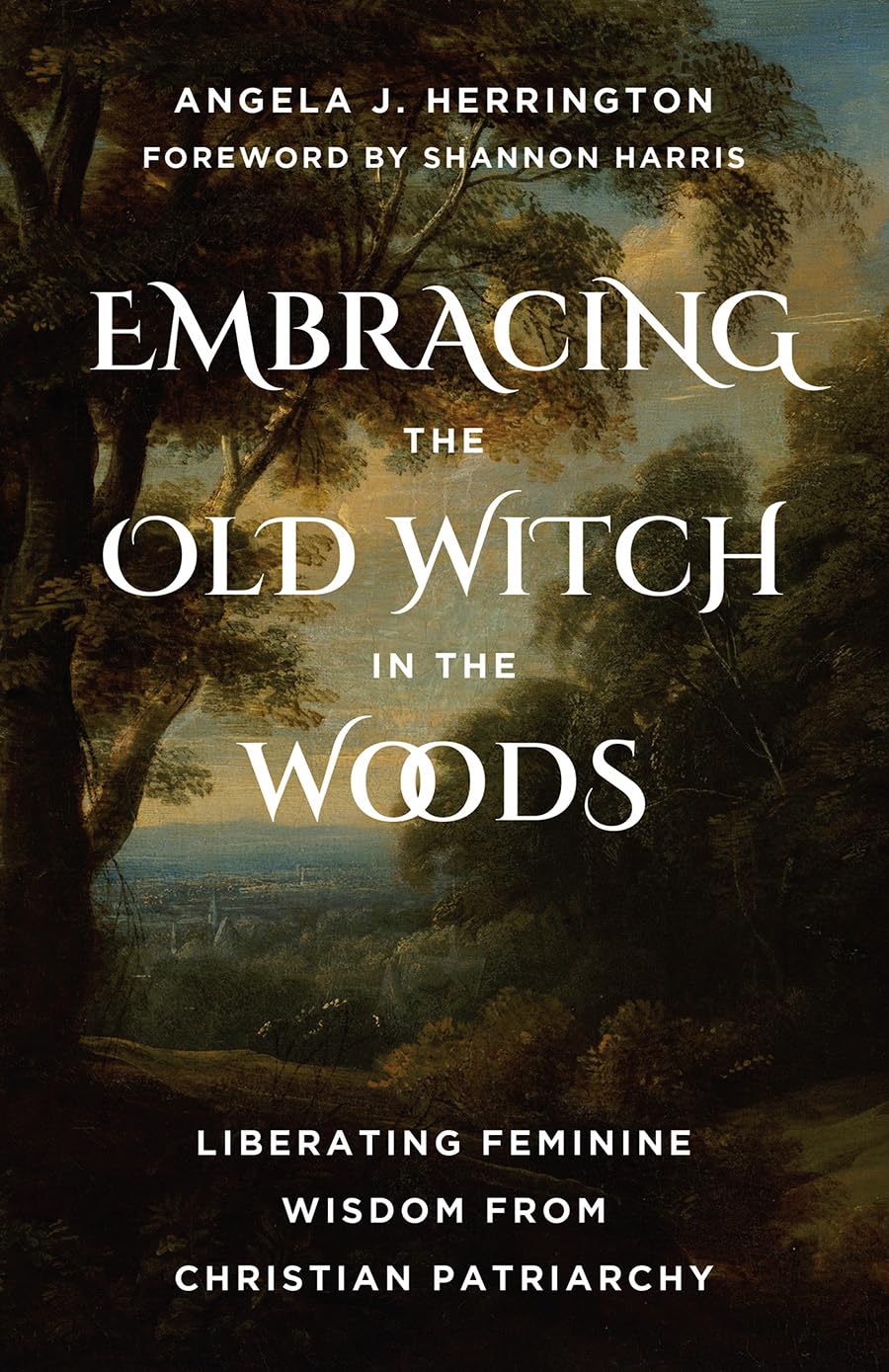
Embracing the Old Witch of the Woods


Embracing the Old Witch of the Woods by Angela Herrington is a powerful read for anyone disentangling themselves from the patriarchal grip of Christianity or seeking to examine how religion has shaped and constrained women’s roles throughout history. Herrington takes a thoughtful, well-reasoned approach as she identifies harmful tropes, tracing their origins through centuries of Christian tradition and practice. She offers a sharp critique of how biblical texts have been systematically weaponized to control women’s bodies, limit their freedoms, and diminish their contributions. This critique resonates with many who have experienced or witnessed such control. Yet Herrington does more than critique: she also presents an inspiring invitation to resist this oppression, recover suppressed histories, and embrace the latent, inherent power that women carry to lead themselves and others with both integrity and resolve.

From an unapologetic feminist lens, I found Herrington’s analysis both relevant and refreshing for our moment. She builds on generations of feminist scholarship, weaving in awareness of indigeneity while offering a nuanced view of the disparate impacts of the patriarchy on women of color and 2SLGBTQIA+ communities. Her writing is accessible, conversational, and non-judgmental, drawing readers into deep reflection on internalized biases against powerful female archetypes long demonized and vilified. In the face of rising anti-women rhetoric, this book offers timely, practical frameworks for reclaiming feminine strength and honoring solidarity in all its forms.

Editor's Note: This review was originally published in Seattle Book Review.

Saturday, October 25, 2025

Rainer Maria Rilke: Fifty Poems


The art of translating poetry—capturing not just meaning but meter, lyricism, and soul—demands both courage and devotion. In Rainer Maria Rilke: Fifty Poems, Australian poet Geoffrey Lehmann rises to the challenge, offering fresh English renderings of the Austrian master’s work. For anyone seeking an entry point into Rilke’s transcendent world, Lehmann’s collection offers an ideal portal.

Rilke, the German-language poet born in Prague, stands among the 20th century’s most influential literary voices. Throughout his lifetime, his poetic style underwent remarkable transformations, shaped by encounters with luminaries like Rodin and Cézanne. His most profound verses interrogated classical notions of truth, beauty, and morality.

Lehmann approaches his task with refreshing humility, describing his translations as attempts to “impersonate Rilke in English”—a modest claim that belies the achievement within these pages. He confronts head-on the formidable challenge of preserving the music of German meter and rhyme while maintaining each poem’s essential clarity and power. Though I cannot read German myself, I’ve encountered other English translations of Rilke’s work. Lehmann’s versions stand out for their exceptional balance of fidelity and artistry.

This carefully curated collection succeeds in conveying Rilke’s haunting voice and the existential solitude that pulses through his poetry. The translations feel both measured and alive, honoring the original while speaking directly to contemporary readers.

Editor's Note: This review was originally published in Chicago Book Review.

Saturday, October 11, 2025

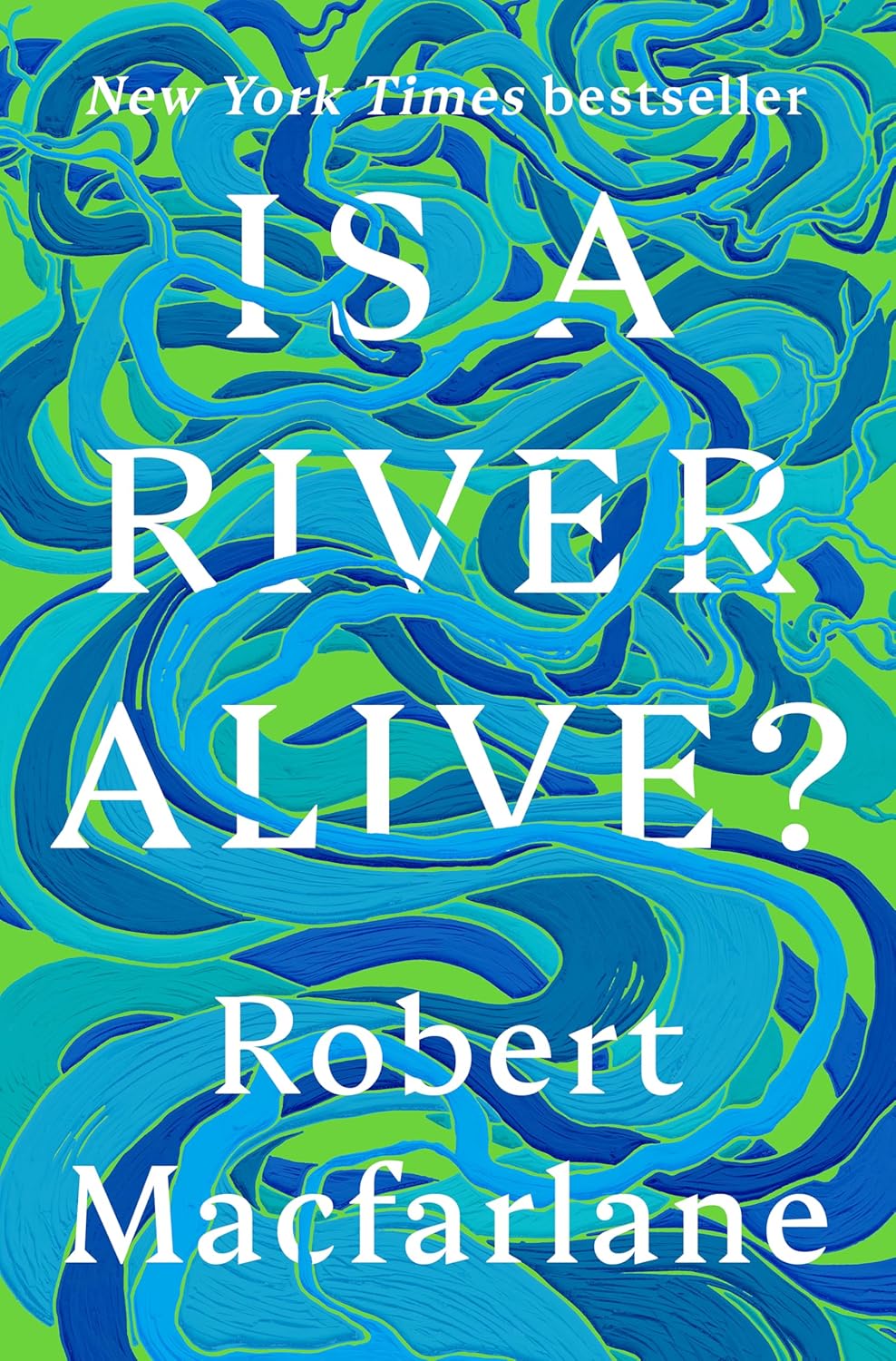
Is a River Alive?

Buy from Capital Books

Robert Macfarlane’s Is a River Alive? takes readers on a journey through the evolving mythic, cultural, social, economic, and political conceptions of rivers. He focuses on the modern-day struggles and triumphs of renewing the vitality of wild waters, with particular attention to Los Cedros in Ecuador’s Amazon cloud forests, the Adyar in India, and the Mutehekau Shipu in Quebec. Macfarlane explores the profound question of a river’s lifeforce and consciousness, emphasizing the undeniable vitality of watersheds beyond their benefits to human life.

With thoughtful, wide-eyed observations, Macfarlane reveals the worldviews that have led people across cultures to rediscover ancient knowledge of humanity’s interdependence with the natural world. Through stories of individuals such as Cosmo, Giuliana, and Yuvan—who, with immense courage, risked their lives and livelihoods—he shows how rivers have been safeguarded from exploitative extraction and environmental contamination.

As the climate crisis accelerates, this book delivers a vision of resilience. Decades of work by Indigenous activists, scientists, and environmentalists show that upholding the “Rights of Nature” is not only possible but already underway. Macfarlane’s humility before the sacredness of rivers transforms these accounts into narratives of survival and testaments of hope.

Is a River Alive? is a call to reimagine our relationship with the planet. At a time when despair about our ecological future feels overwhelming, Macfarlane shows us that renewal, resistance, and reverence remain within reach.

Editor's Note: This review was originally published in San Diego Book Review.