 |
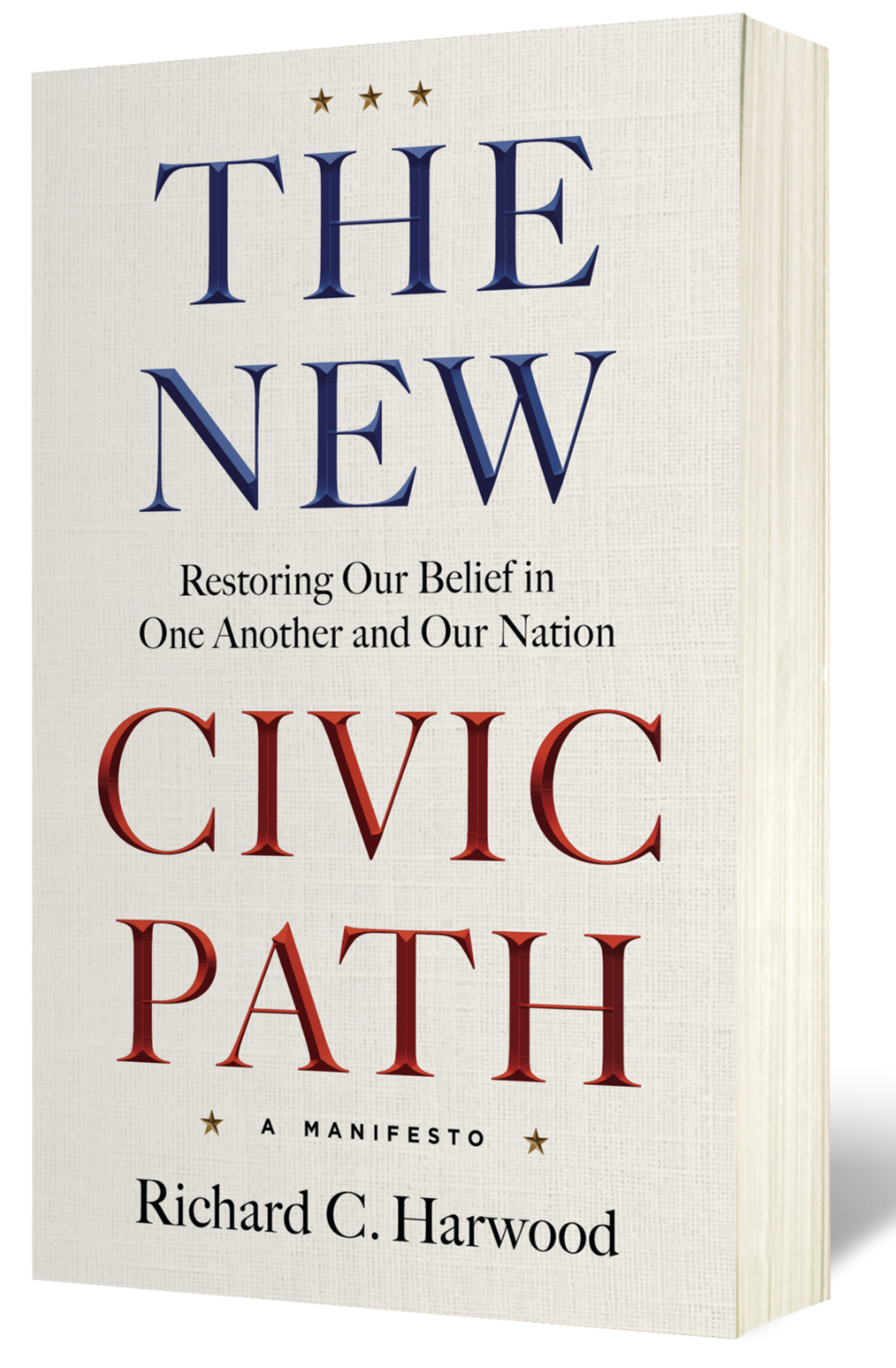
From my vantage point as an activist and social justice educator, I know the importance of creating spaces that foster connection, shared responsibility, and belonging. Inclusive engagement is central to Harwood’s message, a reminder of the value of intentionally creating spaces for inclusion. He uses real-world examples – from Reading, Pennsylvania, to DeSoto, Florida— to illustrate how diverse communities can come together to address challenges and build trust.
What I most appreciated about The New Civic Path is the focus on shared aspirations, rather than divisive issues. By reframing discussions and resisting the pull of negativity, community leaders, educators, policymakers, faith leaders, and engaged citizens can bridge divides through productive conversations and action that lead to workable solutions. In Clark County, Kentucky, local pastors united to address youth needs by creating a basketball league. The effort crossed racial, economic, and denominational lines, fostering community transformation and addressing long-standing divides. In Flint, Michigan, residents came together to address longstanding economic issues and advocate for infrastructure improvements that prioritized health and well-being for all.
While "The New Civic Path" is particularly relevant for community leaders and organizers, Harwood's approach is refreshingly free from complex public engagement jargon. His writing is clear, engaging, and inspiring, drawing readers in through storytelling and real-life examples. This persuasive and conversational style has the potential to empower people from all backgrounds, inspiring them to strengthen their communities through action, one small step at a time.
Harwood provides a hopeful and practical roadmap for communities seeking to overcome inequity, bridge divides, and cultivate a healthier civic culture. The book is a promising reminder that we can reclaim our belief in the possibility of change and that this change is within our reach.
Editor's Note: This review was originally published in Reedsy Discovery.

No comments:
Post a Comment