Saturday, October 25, 2025
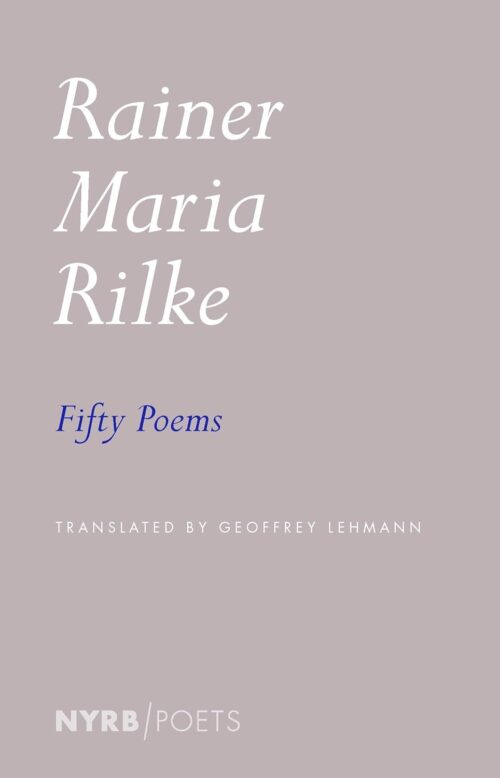
Rainer Maria Rilke: Fifty Poems
The art of translating poetry—capturing not just meaning but meter, lyricism, and soul—demands both courage and devotion. In Rainer Maria Rilke: Fifty Poems, Australian poet Geoffrey Lehmann rises to the challenge, offering fresh English renderings of the Austrian master’s work. For anyone seeking an entry point into Rilke’s transcendent world, Lehmann’s collection offers an ideal portal.
Rilke, the German-language poet born in Prague, stands among the 20th century’s most influential literary voices. Throughout his lifetime, his poetic style underwent remarkable transformations, shaped by encounters with luminaries like Rodin and Cézanne. His most profound verses interrogated classical notions of truth, beauty, and morality.
Lehmann approaches his task with refreshing humility, describing his translations as attempts to “impersonate Rilke in English”—a modest claim that belies the achievement within these pages. He confronts head-on the formidable challenge of preserving the music of German meter and rhyme while maintaining each poem’s essential clarity and power. Though I cannot read German myself, I’ve encountered other English translations of Rilke’s work. Lehmann’s versions stand out for their exceptional balance of fidelity and artistry.
This carefully curated collection succeeds in conveying Rilke’s haunting voice and the existential solitude that pulses through his poetry. The translations feel both measured and alive, honoring the original while speaking directly to contemporary readers.
Editor's Note: This review was originally published in Chicago Book Review.
Saturday, October 11, 2025
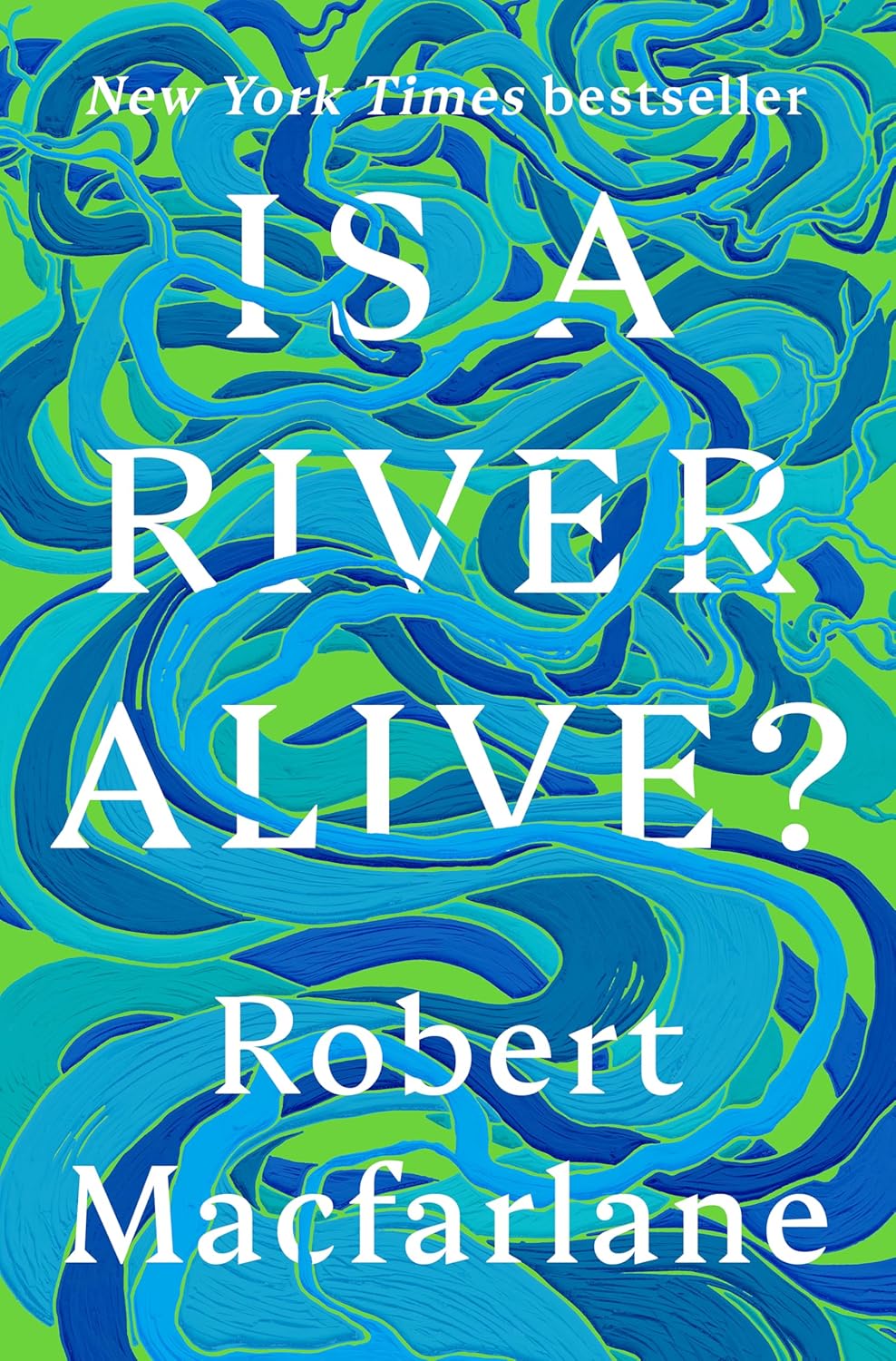
Is a River Alive?
![]() |
| Buy from Capital Books |
Robert Macfarlane’s Is a River Alive? takes readers on a journey through the evolving mythic, cultural, social, economic, and political conceptions of rivers. He focuses on the modern-day struggles and triumphs of renewing the vitality of wild waters, with particular attention to Los Cedros in Ecuador’s Amazon cloud forests, the Adyar in India, and the Mutehekau Shipu in Quebec. Macfarlane explores the profound question of a river’s lifeforce and consciousness, emphasizing the undeniable vitality of watersheds beyond their benefits to human life.
With thoughtful, wide-eyed observations, Macfarlane reveals the worldviews that have led people across cultures to rediscover ancient knowledge of humanity’s interdependence with the natural world. Through stories of individuals such as Cosmo, Giuliana, and Yuvan—who, with immense courage, risked their lives and livelihoods—he shows how rivers have been safeguarded from exploitative extraction and environmental contamination.
As the climate crisis accelerates, this book delivers a vision of resilience. Decades of work by Indigenous activists, scientists, and environmentalists show that upholding the “Rights of Nature” is not only possible but already underway. Macfarlane’s humility before the sacredness of rivers transforms these accounts into narratives of survival and testaments of hope.
Is a River Alive? is a call to reimagine our relationship with the planet. At a time when despair about our ecological future feels overwhelming, Macfarlane shows us that renewal, resistance, and reverence remain within reach.
Editor's Note: This review was originally published in San Diego Book Review.
Subscribe to:
Posts (Atom)