Sunday, April 12, 2026
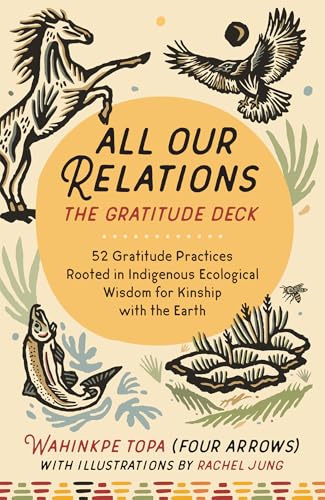
All Our Relations: The Gratitude Deck
Wahinkpe Topa, Indigenous scholar and educator, has created a genuinely useful and beautiful resource for anyone seeking to understand the Indigenous worldview. All Our Relations: The Gratitude Deck grounds gratitude practices and reflection in Indigenous ecological wisdom, centering kinship with the earth.
Each of the 52 cards features a mythic story drawn from Indigenous communities around the world, brought to life through Rachel Jung’s evocative illustrations of plant, animal, and water kin. Together, they offer an inspiring invitation to examine our debt and obligation to all beings.
Wahinkpe Topa transparently acknowledges using ChatGPT alongside his own extensive knowledge in developing the deck — a quiet irony worth noting. AI-generated content sits in tension with wisdom rooted in a living relationship with the natural world. Given growing awareness of AI’s environmental costs, this contradiction invites further critical reflection on the work.
Dedicated students of his work will find much to delight in here, and the deck is equally accessible to newcomers and all generations. The included “Eco-Thriving Game” is a particular highlight: a thoughtful, all-ages activity that embodies core Indigenous values of interconnectedness, reciprocity, and truthfulness. It is a wonderful catalyst for meaningful conversation among friends and family about cultivating the right relationship with other-than-human kin.
Editor's Note: This review was originally published in Seattle Book Review.
Saturday, April 4, 2026
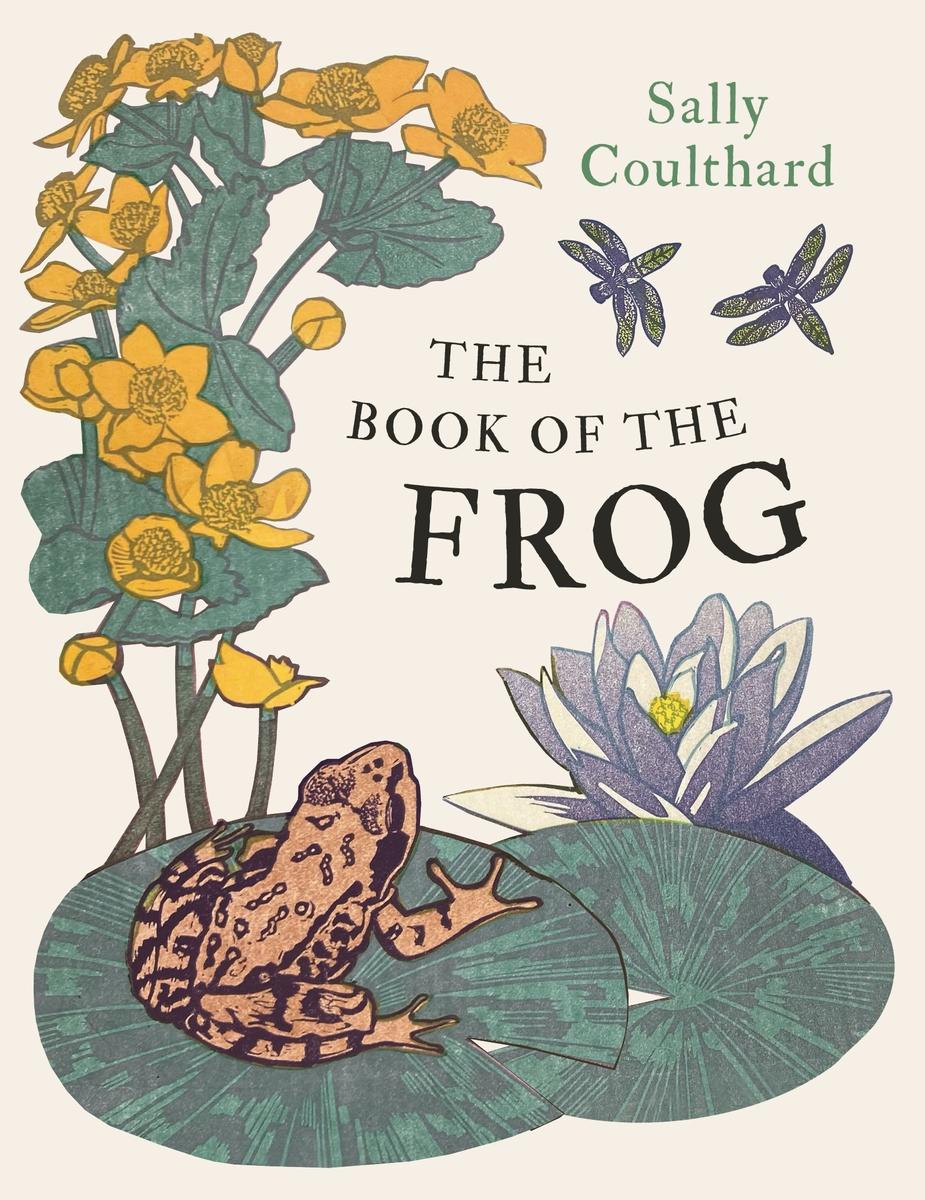
The Book of the Frog
The Book of the Frog by naturalist Sally Coulthard is a delightful celebration of one of nature’s most extraordinary creatures. With genuine enthusiasm, Coulthard brings the remarkable world of amphibians to life, showcasing the astonishing variety of frogs and toads found across the globe. This focus aims to spark curiosity and admiration among readers of all ages, encouraging a sense of wonder about frog diversity and biology
Readers of all ages will be captivated by the amazing creatures, as the book shares the intricacies of their life cycles and dietary habits, as well as the deep evolutionary history that has shaped them over hundreds of millions of years. Coulthard’s narrative is brought to life by whimsical, artfully rendered illustrations.
Beneath the wonder, Coulthard also shares an urgent truth. Like so many species, frogs and toads are vanishing at an alarming rate. These ancient creatures, survivors of mass extinctions, now face threats entirely of our making. I appreciate how Coulthard highlights the importance of conservation and inspires readers to care about protecting these vulnerable species. Many chapters end with an empowering and practical section called “How to Help Frogs,” which features a list of actionable ways people can contribute to frog conservation, from creating a pond in their backyard to joining citizen science projects.
Editor's Note: This review was originally published in Portland Book Review.
Friday, March 20, 2026
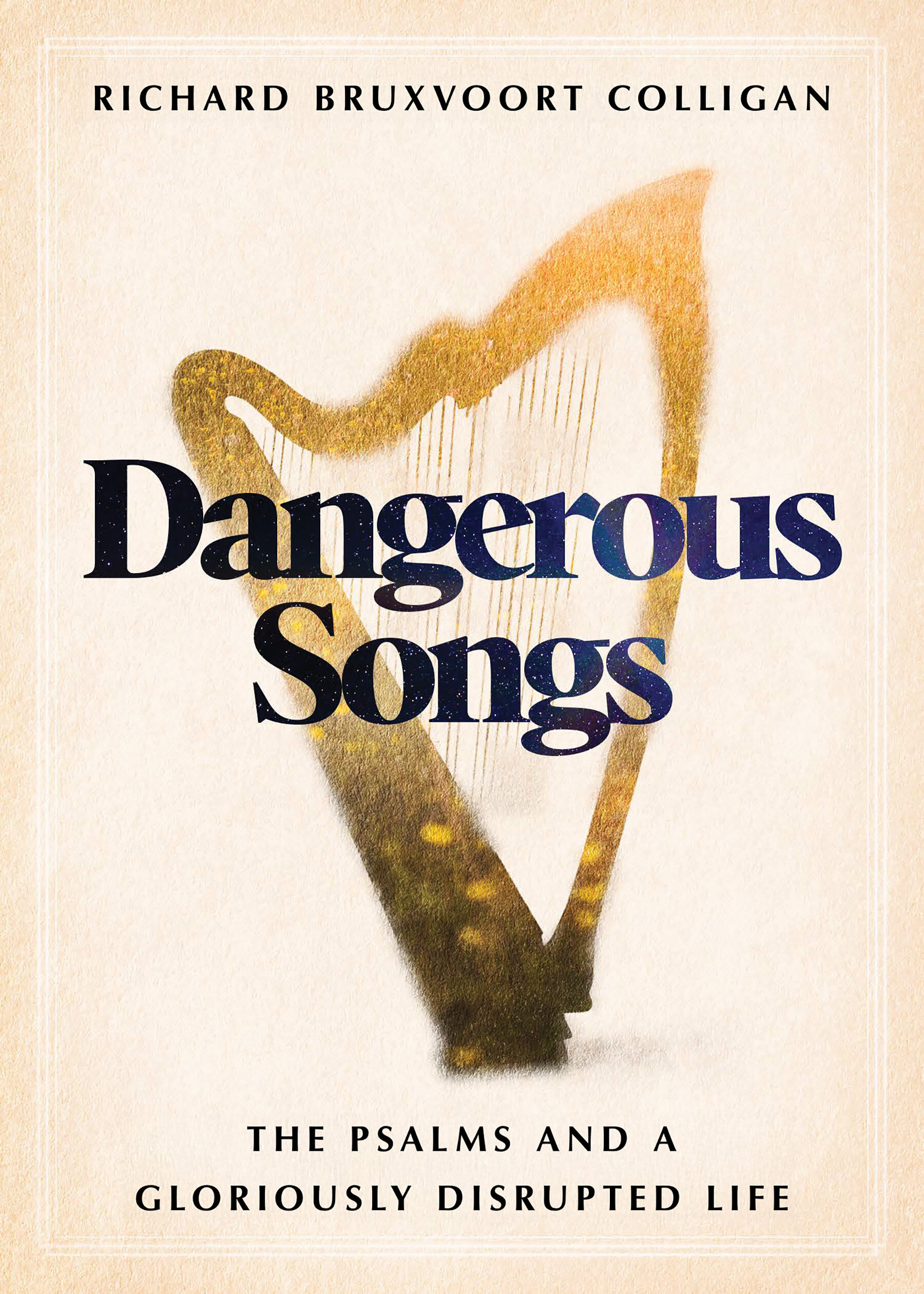
Dangerous Songs
What if the ancient poems tucked inside the Bible were never meant to be safe? That’s the provocative premise of Dangerous Songs: The Psalms and a Gloriously Disrupted Life, in which public theologian and independent musician Richard Bruxvoort Colligan argues that the Psalms are far more than hymns of quiet devotion. These songs are raw, unsettling cries from people living under oppression, grief, and uncertainty.
The book is organized around three themes woven throughout the Psalter: thriving, desolation, and unknowing. Rather than treating these poems as timeless abstractions, Colligan roots them firmly in their historical context: asking who the people of God actually were, what they endured, and why they sang what they sang. The result is a reading of the Psalms that feels less like a theology lecture and more like an excavation.
Colligan’s own background as a musician shapes the book in meaningful ways. He hears these texts the way a songwriter might, with attention to tone, tension, and the emotions that words alone can’t quite carry.
Dangerous Songs draws direct lines between ancient suffering and modern injustice. For example, the discussion of Psalm 140 reframes it as a prayer for those facing violence at the hands of the powerful, including the state itself. This is the kind of interpretation that may unsettle some readers while deeply resonating with others.
Editor's Note: This review was originally published in Portland Book Review.
Saturday, December 13, 2025
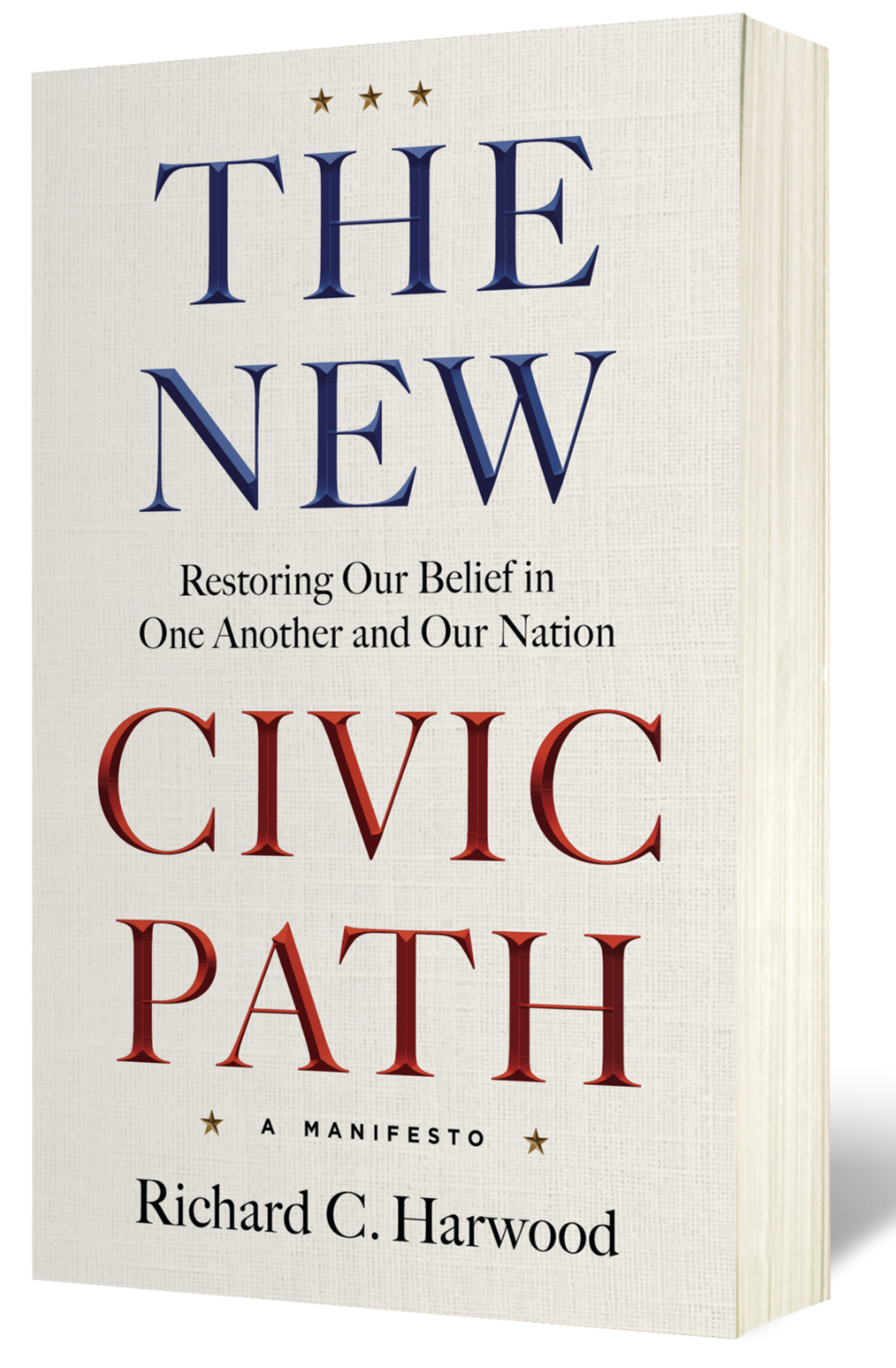
The New Civic Path
![]() |
From my vantage point as an activist and social justice educator, I know the importance of creating spaces that foster connection, shared responsibility, and belonging. Inclusive engagement is central to Harwood’s message, a reminder of the value of intentionally creating spaces for inclusion. He uses real-world examples – from Reading, Pennsylvania, to DeSoto, Florida— to illustrate how diverse communities can come together to address challenges and build trust.
What I most appreciated about The New Civic Path is the focus on shared aspirations, rather than divisive issues. By reframing discussions and resisting the pull of negativity, community leaders, educators, policymakers, faith leaders, and engaged citizens can bridge divides through productive conversations and action that lead to workable solutions. In Clark County, Kentucky, local pastors united to address youth needs by creating a basketball league. The effort crossed racial, economic, and denominational lines, fostering community transformation and addressing long-standing divides. In Flint, Michigan, residents came together to address longstanding economic issues and advocate for infrastructure improvements that prioritized health and well-being for all.
While "The New Civic Path" is particularly relevant for community leaders and organizers, Harwood's approach is refreshingly free from complex public engagement jargon. His writing is clear, engaging, and inspiring, drawing readers in through storytelling and real-life examples. This persuasive and conversational style has the potential to empower people from all backgrounds, inspiring them to strengthen their communities through action, one small step at a time.
Harwood provides a hopeful and practical roadmap for communities seeking to overcome inequity, bridge divides, and cultivate a healthier civic culture. The book is a promising reminder that we can reclaim our belief in the possibility of change and that this change is within our reach.
Editor's Note: This review was originally published in Reedsy Discovery.
Saturday, November 8, 2025
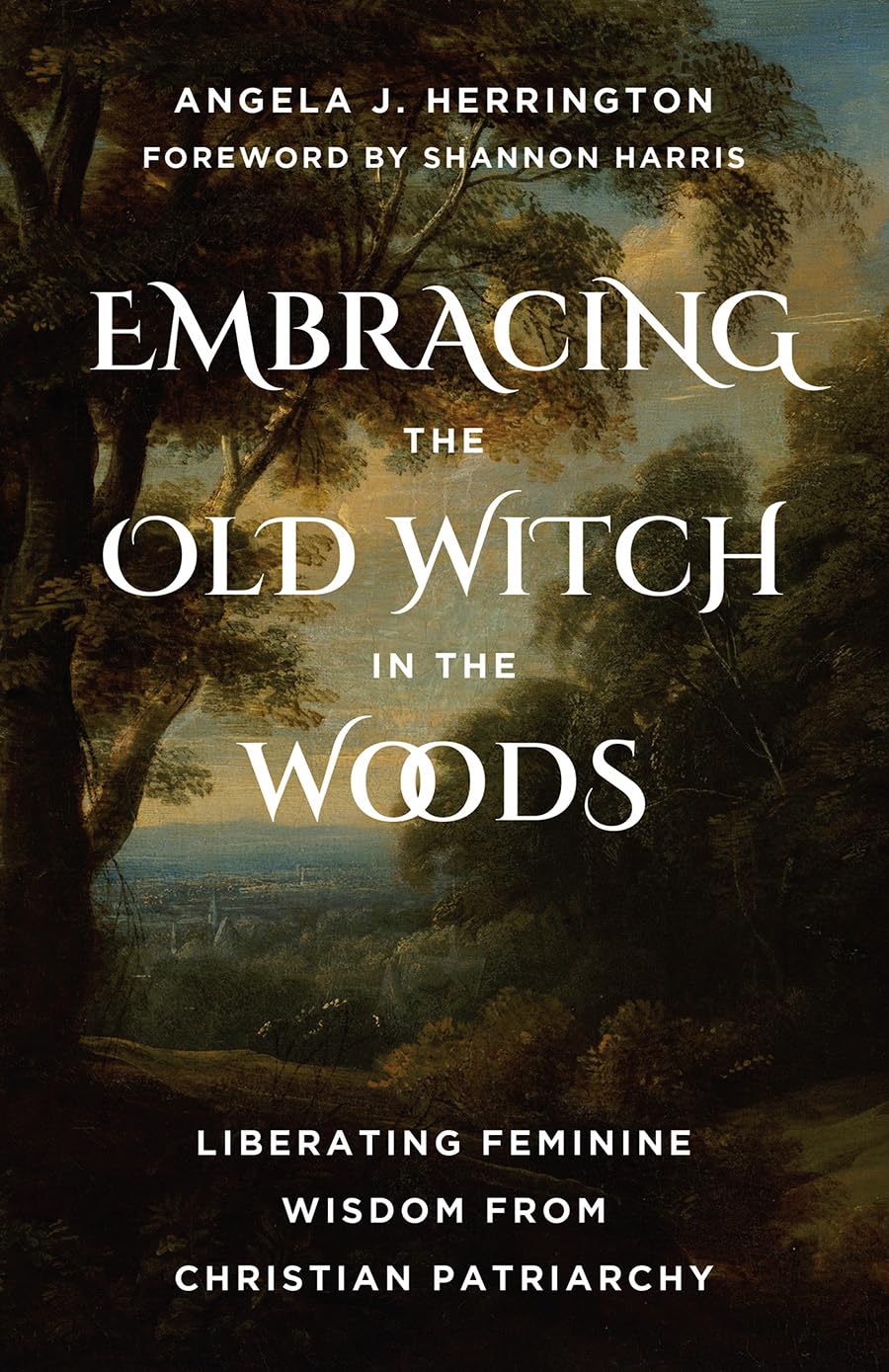
Embracing the Old Witch of the Woods
Embracing the Old Witch of the Woods by Angela Herrington is a powerful read for anyone disentangling themselves from the patriarchal grip of Christianity or seeking to examine how religion has shaped and constrained women’s roles throughout history. Herrington takes a thoughtful, well-reasoned approach as she identifies harmful tropes, tracing their origins through centuries of Christian tradition and practice. She offers a sharp critique of how biblical texts have been systematically weaponized to control women’s bodies, limit their freedoms, and diminish their contributions. This critique resonates with many who have experienced or witnessed such control. Yet Herrington does more than critique: she also presents an inspiring invitation to resist this oppression, recover suppressed histories, and embrace the latent, inherent power that women carry to lead themselves and others with both integrity and resolve.
From an unapologetic feminist lens, I found Herrington’s analysis both relevant and refreshing for our moment. She builds on generations of feminist scholarship, weaving in awareness of indigeneity while offering a nuanced view of the disparate impacts of the patriarchy on women of color and 2SLGBTQIA+ communities. Her writing is accessible, conversational, and non-judgmental, drawing readers into deep reflection on internalized biases against powerful female archetypes long demonized and vilified. In the face of rising anti-women rhetoric, this book offers timely, practical frameworks for reclaiming feminine strength and honoring solidarity in all its forms.
Editor's Note: This review was originally published in Seattle Book Review.
Saturday, October 25, 2025
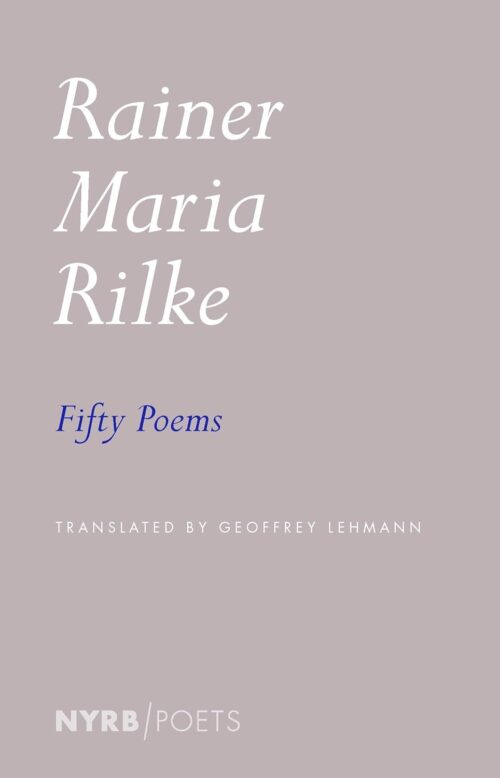
Rainer Maria Rilke: Fifty Poems
The art of translating poetry—capturing not just meaning but meter, lyricism, and soul—demands both courage and devotion. In Rainer Maria Rilke: Fifty Poems, Australian poet Geoffrey Lehmann rises to the challenge, offering fresh English renderings of the Austrian master’s work. For anyone seeking an entry point into Rilke’s transcendent world, Lehmann’s collection offers an ideal portal.
Rilke, the German-language poet born in Prague, stands among the 20th century’s most influential literary voices. Throughout his lifetime, his poetic style underwent remarkable transformations, shaped by encounters with luminaries like Rodin and Cézanne. His most profound verses interrogated classical notions of truth, beauty, and morality.
Lehmann approaches his task with refreshing humility, describing his translations as attempts to “impersonate Rilke in English”—a modest claim that belies the achievement within these pages. He confronts head-on the formidable challenge of preserving the music of German meter and rhyme while maintaining each poem’s essential clarity and power. Though I cannot read German myself, I’ve encountered other English translations of Rilke’s work. Lehmann’s versions stand out for their exceptional balance of fidelity and artistry.
This carefully curated collection succeeds in conveying Rilke’s haunting voice and the existential solitude that pulses through his poetry. The translations feel both measured and alive, honoring the original while speaking directly to contemporary readers.
Editor's Note: This review was originally published in Chicago Book Review.
Saturday, October 11, 2025
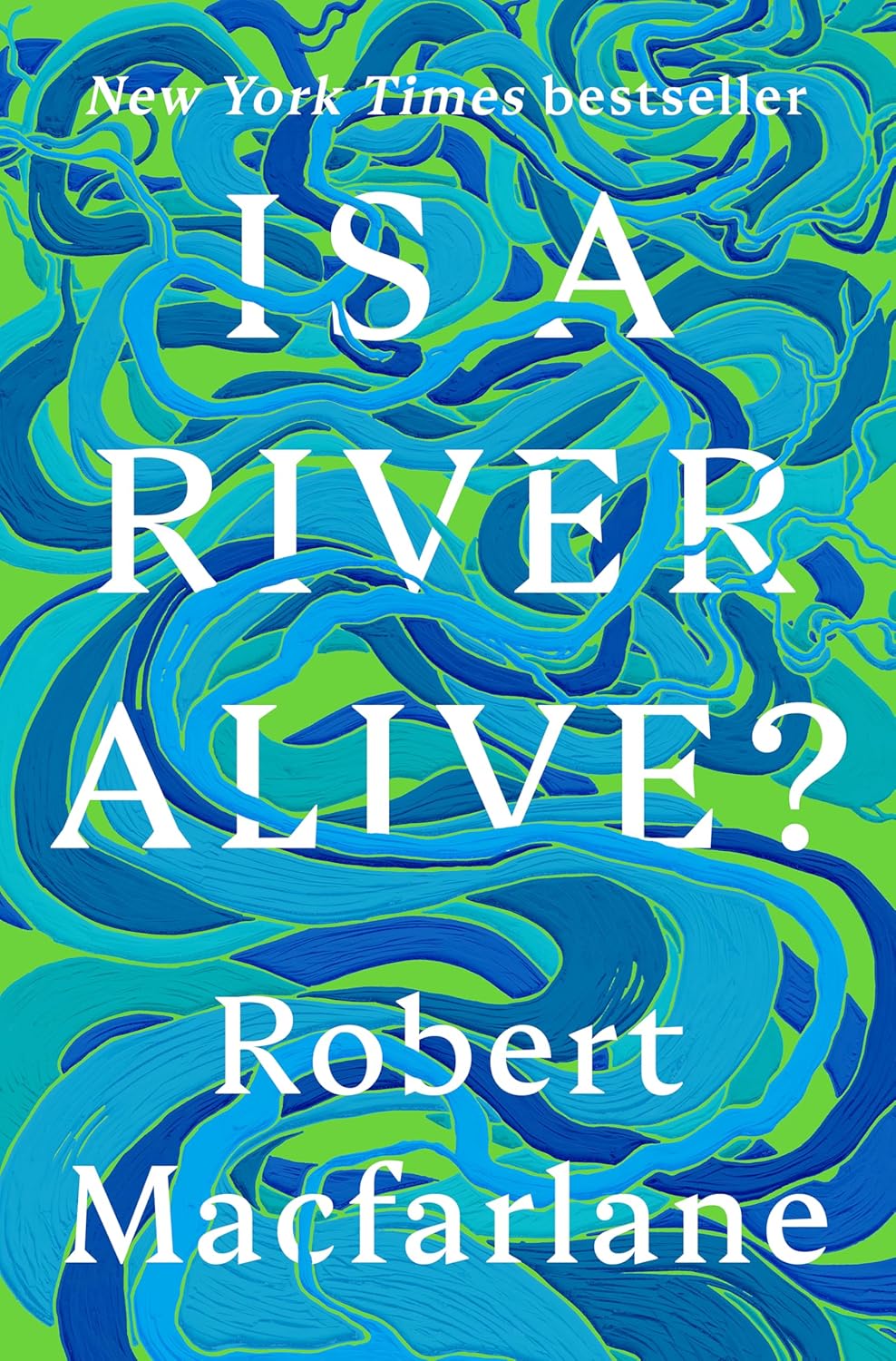
Is a River Alive?
![]() |
| Buy from Capital Books |
Robert Macfarlane’s Is a River Alive? takes readers on a journey through the evolving mythic, cultural, social, economic, and political conceptions of rivers. He focuses on the modern-day struggles and triumphs of renewing the vitality of wild waters, with particular attention to Los Cedros in Ecuador’s Amazon cloud forests, the Adyar in India, and the Mutehekau Shipu in Quebec. Macfarlane explores the profound question of a river’s lifeforce and consciousness, emphasizing the undeniable vitality of watersheds beyond their benefits to human life.
With thoughtful, wide-eyed observations, Macfarlane reveals the worldviews that have led people across cultures to rediscover ancient knowledge of humanity’s interdependence with the natural world. Through stories of individuals such as Cosmo, Giuliana, and Yuvan—who, with immense courage, risked their lives and livelihoods—he shows how rivers have been safeguarded from exploitative extraction and environmental contamination.
As the climate crisis accelerates, this book delivers a vision of resilience. Decades of work by Indigenous activists, scientists, and environmentalists show that upholding the “Rights of Nature” is not only possible but already underway. Macfarlane’s humility before the sacredness of rivers transforms these accounts into narratives of survival and testaments of hope.
Is a River Alive? is a call to reimagine our relationship with the planet. At a time when despair about our ecological future feels overwhelming, Macfarlane shows us that renewal, resistance, and reverence remain within reach.
Editor's Note: This review was originally published in San Diego Book Review.
Saturday, September 27, 2025
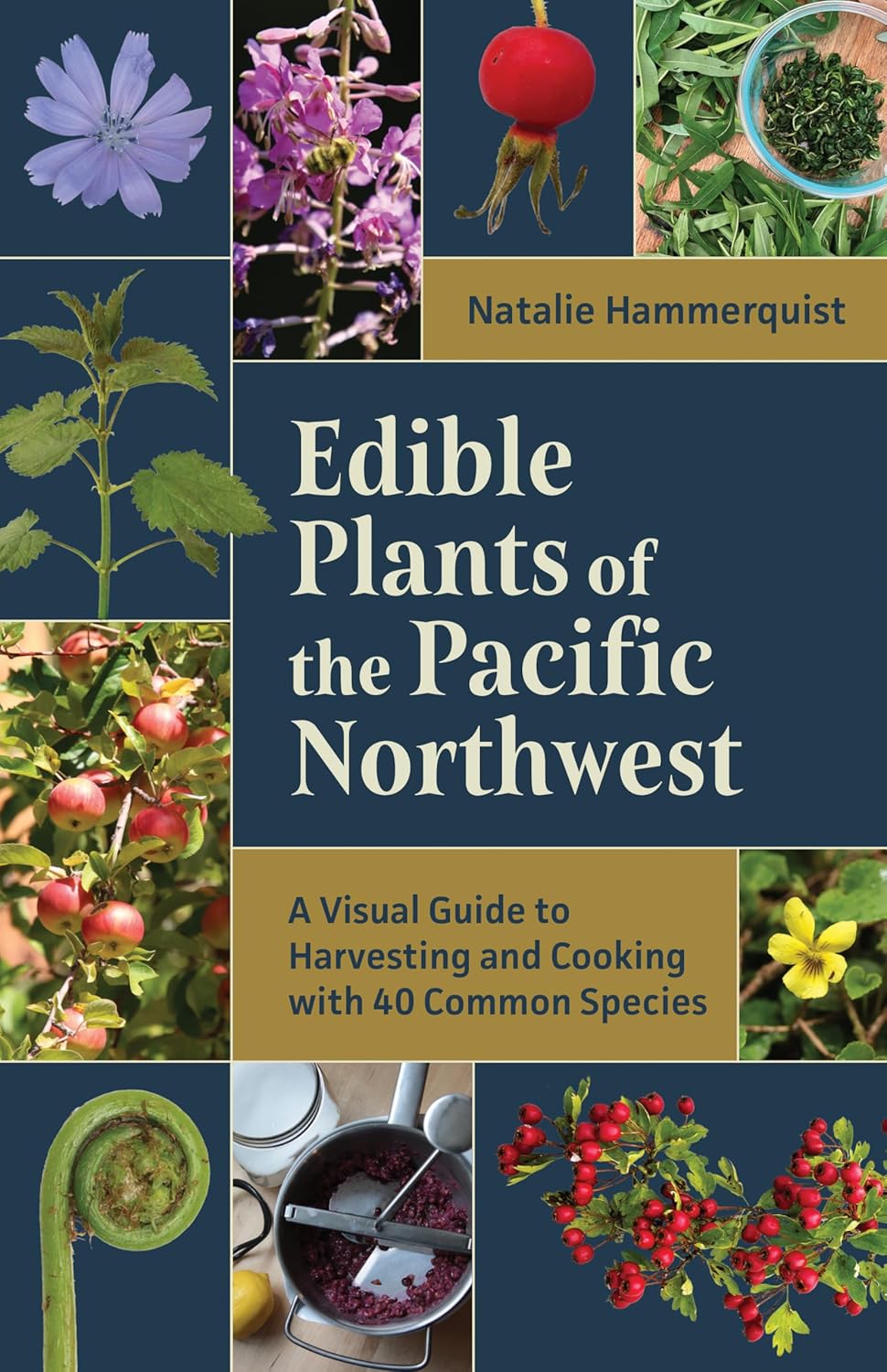
Edible Plants of the Pacific Northwest
![]() |
| Buy from Capital Books |
The movement toward understanding the benefits of foraging and harvesting wild foods is gaining wider acceptance. People are seeking local and sustainable alternatives to processed foods for various reasons, ranging from a desire to connect with their cultural heritage to concerns about the ecological impacts of agriculture. In Edible Plants of the Pacific Northwest, educator Natalie Hammerquist shares her knowledge about wild flora found in neighborhoods and public lands.
I am heartened by Hammerquist’s approach to share her nuanced knowledge about foraging. Folks from various experience levels will benefit from her straightforward explanations and clear, crisp photographs. It was also helpful to understand her story of reclaiming knowledge of her Swedish ancestors’ foodways and her focus on harvesting wild foods, respectfully and sustainably. Her emphasis on respect in foraging is a powerful reminder to be mindful and considerate, not just of the environment, but also of the cultural heritage and traditions we are connected to. Harvest only what you can consume is a wonderful reminder to share the bounty of our forests and wild lands with others, including our more-than-human kin.
Editor's Note: This review was originally published in Seattle Book Review.
Friday, September 5, 2025
The Dharma of Healing
![]() |
| Buy from Capital Books |
Michaelson’s writing resonates with a comforting, deeply empathetic tone, a direct reflection of the nonjudgmental ethos central to his Buddhist training. He skillfully invites readers to lean into the sometimes-paradoxical nature of our beliefs and emotional responses, underscoring how these internal conflicts often perpetuate and intensify our experience of suffering. Instead, he encourages readers to acknowledge and embrace suffering and to be open to learning valuable lessons from difficult emotions.
Anyone familiar with meditation knows how challenging it can be to calm both the body and mind. A key message from The Dharma of Healing is the "heart-brain connection," the interplay between our emotional and cognitive processes. Michaelson also suggests using physical (somatic) practices, emphasizing a holistic approach to healing. This book is a valuable guide for anyone seeking a more compassionate and peaceful life, whether they already meditate or are just beginning their journey of self-discovery.
Friday, August 22, 2025
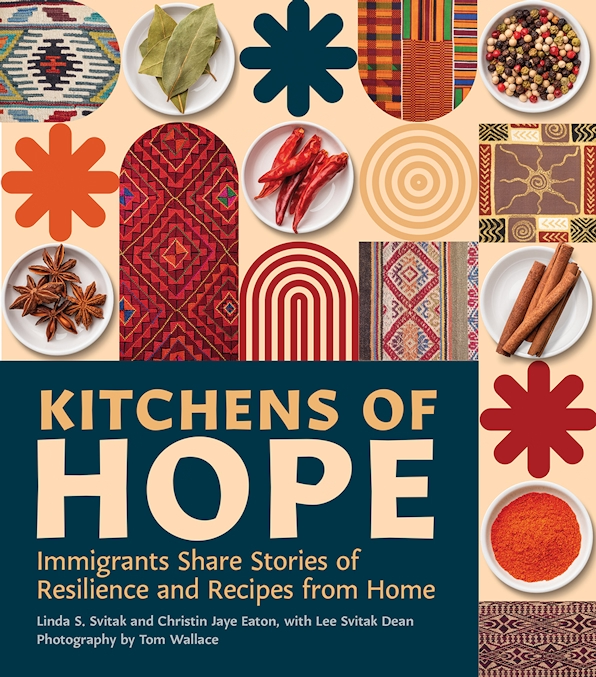
Kitchens of Hope
![]() |
| Published by the University of Minnesota Press |
Food is one of the most enduring ways families and communities keep their stories alive, carrying traditions across generations through recipes and shared meals. For immigrants, a favorite dish from home can be more than just sustenance—it becomes a bridge between past and present, a way of holding on to culture while navigating the uncertainties of a new life in the United States.
In “Kitchens of Hope,” editors Linda S. Svitak, Christin Jaye Eaton, and Lee Svitak Dean present a rich tapestry of first-person stories and recipes from immigrants who have found a home in Minnesota. The collection is a global journey, featuring voices from Afghanistan, Cuba, Liberia, Ukraine, and beyond. Each narrative is a unique thread in the fabric of human experience, inviting readers into personal journeys of hardship, resilience, and renewal, showing how food can ground and sustain people through profound change.
With Tom Wallace’s evocative photography, "Kitchens of Hope" is not just a cookbook, but a living cultural archive. The images capture the beauty of the dishes and the depth of the traditions they represent. Many contributors share their stories of leaving countries torn by war and upheaval, while others recount their experiences of seeking education, work, and new opportunities in the United States. No matter their journey, every story ends with a recipe—a gift of memory, survival, and love.
Proceeds from the “Kitchens of Hope” project, a labor of love by the editors and contributors, will be donated to the Minnesota nonprofit Advocates for Human Rights. The global organization provides free legal assistance to asylum seekers, people in detention, unaccompanied minors, and others who need support with human rights issues.
Friday, August 15, 2025
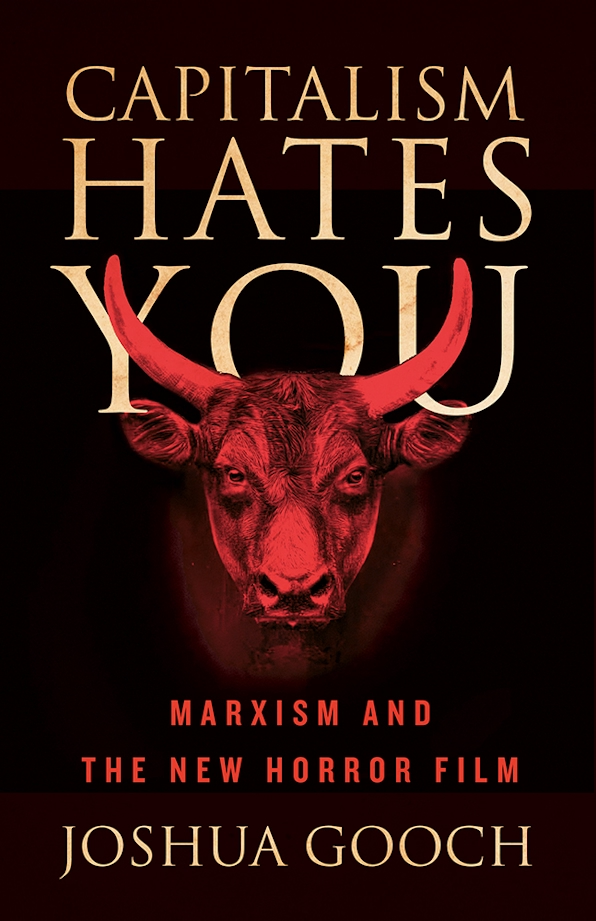
Capitalism Hates You
![]() |
| Published by the University of Minnesota Press |
Horror generates a strange cultural fascination with the impure, the toxic, and the monstrous. Joshua Gooch’s “Capitalism Hates You” is an invigorating and deeply unsettling read, especially for someone like me—a casual fan of horror—approaching the book through both personal enjoyment and the lens of political economy and racial capitalism. Gooch’s essays offer a sharp critique of work under capitalism, showing how toiling under capitalism consumes and depletes our lives and essence of being.. In this framework, the ultimate object of capitalism is accumulation of profit, power, and human energies stretched to the breaking – often catastrophic – point.
The book presents a global array of horror titles, illuminating the shared, terrifying experiences of neoliberalism. As people’s worth around the world is reduced to what they can produce, capitalism reveals itself as insatiable; always hungry for individual and collective mental, physical, emotional, and psychic labor. Gooch captures this perfectly when he observes that capitalism “lives parasitically on what is outside its control,” inevitably seeking to consume or destroy whatever resists its reach.
Among the most compelling dimensions of Gooch’s analysis are his attention to marginalized identities. Horror often stages these tensions in unsettling ways, exposing how gendered work (caregiving in Saint Maud) and familial structures (in “Hereditary” and “The Witch”) are both weaponized and threatened under capitalism. Capitalism relies on the subjugation and appropriation of women’s labor and search for fulfillment in a career. The family, Gooch suggests, becomes a crucial site of horror: capitalism hates the protective and nuturiing function of the family because it opposes patriarchy.
Capitalism not only exploits labor but also asserts and reproduces racial hierarchies as a means of maintaining its power. Horror films such as “Candyman” and “Get Out” dramatize this reality, underscoring the entanglement of racist violence, anti-Blackness, and economic exploitation. From a Marxist perspective, these films reveal how racism is not incidental but structural, as characters contend with racial and class divides, legitimizing dispossession and naturalizing inequality in the service of capital accumulation. Racism intersperses with climate anxieties in Gooch’s interpretation of the eco-fascist views reflected in “In the Earth.” These films expose how capitalism feeds on white supremacy and racial terror, turning Black suffering and resistance into sites of horror that reflect fundamental social contradictions.
Horror is more than just entertainment; it offers a critical lens on the anxieties and violences of late capitalism, dramatizing how this economic system thrives on consumption, extraction, domination, and fear. I appreciate how Gooch made these essays accessible and relevant to both fans of the horror film genre and critics of capitalism. People with a background in economic theory would appreciate the review of Marxist thought and contemporary scholars advancing the field. For many readers, the essays may require a close read, as they are written for an academic audience.
Sunday, July 27, 2025
Buddhist Masters of Modern China
Through eight biographical essays—each authored by a leading scholar of East Asian spirituality—the volume examines prominent figures from Buddhist traditions, including Chan, Huayan, and Pure Land. The inclusion of translated primary texts following each profile strengthens the book’s utility as both a scholarly and pedagogical resource.
The featured teachers lived and taught between the fall of the Qing dynasty in 1911 and the founding of the People’s Republic in 1949, a turbulent period of war, social change, and cultural transformation. The essays illuminate not only the teachers’ spiritual insights but also the historical challenges they faced. As a student of Buddhism, I especially valued the life stories of Xuyun, Laiguo, Benkong, and others whose teachings still resonate today. This volume illuminates how modern Chinese Buddhist leaders shaped contemporary practice and will be of value to both historians of religion and engaged Buddhist practitioners.
Sunday, July 20, 2025
The 13 Power Moves of Dark Psychology
What makes the book particularly effective is Sisco’s reliance on real-world examples. Drawing from her own experiences and observations, she shows how manipulative patterns emerge, how they can be identified early, and what strategies can help disarm them. The advice is pragmatic and immediately applicable, offering readers tools to navigate situations with toxic individuals in both personal and professional contexts.
Though the book is rooted in the self-help genre, it avoids the overly clinical tone often found in psychology texts. Instead, Sisco blends straightforward explanations with no-nonsense advice, creating a balance between accessibility and authority. Her writing is candid, clear, and purposeful, reflecting her background in military and intelligence settings. This directness makes the book especially valuable for readers who prefer advice that is both grounded and actionable.
![]() |
| Buy from Capital Books |
Editor's Note: This review was originally published in San Francisco Book Review.
Saturday, July 5, 2025
Read the Bible Like a Mystic
Read the Bible Like a Mystic is Carl McColman’s invitation to readers to consider a meditative, contemplative approach to reading and interpreting scripture. The fundamentalist view that the Bible contains the authoritative word of God, and therefore must be read “simplistically and literally,” has often led to alienation and prejudice. McColman’s approach offers hope for a more compassionate and understanding interpretation. Instead of picking certain stories and verses to support an unyielding point of view, McColman invites readers to engage scripture in a nuanced and transformative way. He presents examples of mystics such as Saint Augustine and Saint Teresa of Avila, centering on humility, wisdom, and justice in the exposition of God’s love.
With my Christian upbringing and study of Buddhist traditions, I maintain a healthy skepticism of religious fundamentalism. McColman’s critiques are offered in a direct yet compassionate way, but I doubt that Christians, who tend to have a rigid, unrepentant approach, will be swayed by his well-reasoned appeal.
Read the Bible Like a Mystic is a good read for recovering Christians repulsed by the judgment and self-righteousness of others. McColman offers a warm, inviting nudge to read the Bible again, welcoming all who seek a more compassionate interpretation. By approaching scripture through self-reflection rather than as history or a code of law, we expand our ability to forge a spiritual path rooted in compassion.
Editor's Note: This review was originally published in Seattle Book Review.
![]() |
| Buy from Capital Books |
Friday, June 27, 2025
The Popular Wobbly: Selected Writings of T-Bone Slim
![]() |
| Published by the University of Minnesota Press |
The Popular Wobbly: Selected Writings of T-Bone Slim gathers Slim’s poems, songs, columns, witticisms, and more. Curated and edited by historians Owen Clayton and Lain McIntyre, the book includes a brief biography, photographs, and Slim’s original illustrations. As the editors trace Slim’s life, travels, and occupations, they illuminate the worldview of a man who published over a thousand pieces during his lifetime. Their careful selection highlights the writings most resonant and relevant to contemporary readers.
The volume is an especially timely read, a poignant reminder that injustice, class divisions, and ethnic strife are longstanding and enduring issues among America's workforce. The themes highlighted in the book range from capitalism to war, from race to immigration, from food insecurity and incarceration. The precarious lives of migrant workers feature prominently in the collection. Often using humor to confront grim realities, Slim’s commentary remains strikingly relevant today. His work offers a vivid window into American labor history and the enduring fight for workers’ rights. As he wrote in a 1922 column titled “The Power of These Two Hands,” “The construction worker has made millionaires coast to coast…”
Sunday, June 15, 2025
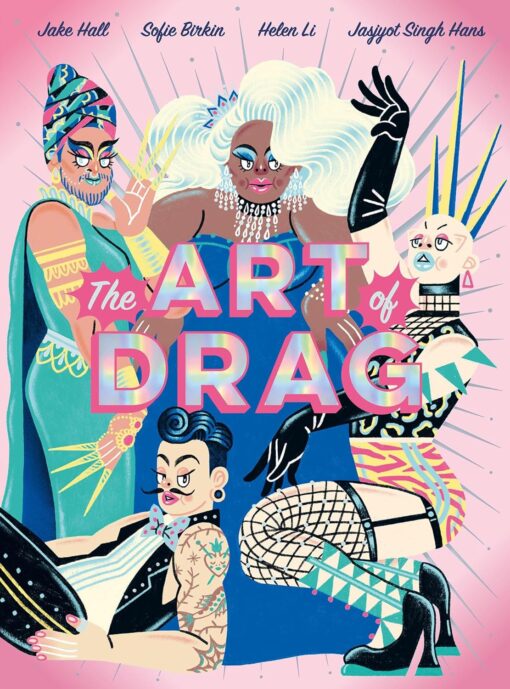
The Art of Drag
Hall highlights how drag has shifted over time, shaping and being shaped by broader cultural movements. Readers will journey from the underground ballrooms of the 1960s to iconic figures like Crystal LaBeija, Danny La Rue, and Leigh Bowery, and witness drag’s role in the fight for LGBTQ+ rights and its rise to mainstream recognition.
This beautifully rendered book is an ideal primer for those new to drag or anyone interested in understanding its cultural significance. It’s also a timely reminder of why drag matters. As anti-LGBTQ+ rhetoric strengthens in political discourse, The Art of Drag urges readers to celebrate and protect queer expression.
For many, drag is an act of self-love, resistance, and radical imagination. Whether humorous, glamorous, political, or provocative, drag is always creative. This book captures its dazzling complexity with insight and affection.
Editor's Note: This review was originally published in Seattle Book Review.
Saturday, June 7, 2025
The New Middle Way
The New Middle Way by Mel Pine is a comprehensive exploration of Buddhism tailored for modern spiritual seekers. Pine presents a balanced approach between secular and traditional Buddhism, emphasizing experiential understanding over rigid dogma. The book integrates teachings from various Buddhist traditions, including Theravada, Mahayana, and Vajrayana, while also drawing on philosophy and science. Pine shares his personal journey, marked by trauma, loss, and spiritual growth, which led him to embrace Buddhism as a path to alleviate suffering and cultivate joy.
In The New Middle Way, seasoned writer and spiritual communicator Mel Pine offers a fresh approach to Buddhism by blending traditional teachings with modern insights. The book is a comprehensive exploration of Buddhism tailored for modern spiritual seekers. With decades of Buddhist study and practice in Theravada, Mahayana, and Vajrayana traditions, Pine advocates for a balanced path between secular mindfulness and traditional spirituality, emphasizing experiential understanding over intellectual concepts. Pine shares his personal journey, marked by trauma, loss, and spiritual growth, which led him to embrace Buddhism as a path to alleviate suffering and cultivate joy.
Pine writes about his path in an accessible and relatable way. He vulnerably shares about how personal trauma has fostered wisdom and compassion. Trauma played a significant role in the author’s spiritual development, serving as a catalyst for his journey toward wisdom, compassion, and awakening. From an early age, he witnessed suffering, including the impact of the Holocaust on his family and the violent loss of loved ones. These experiences confronted him with impermanence and the fragility of life, deepening his understanding of suffering. Later, tragic personal losses further shaped his perspective, teaching him resilience and the importance of equanimity.
I approached the book from my vantage point as a Zen practitioner. Along the way, I have also explored other traditions, such as Tibetan and Thai Forest practices. I believe “The New Middle Way” is an excellent read for spiritual seekers drawn to Buddhism, as it offers an accessible and informal introduction to Buddhist teachings without overwhelming readers with technical jargon or rigid dogma.
Editor's Note: This review was originally published in Reedsy Discovery.
Saturday, May 24, 2025
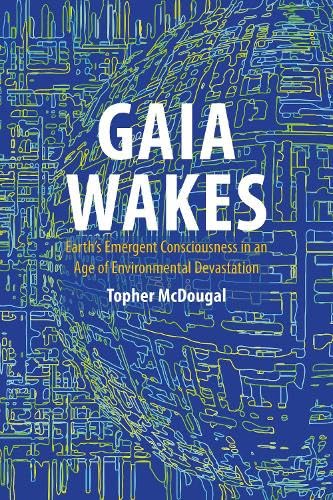
Gaia Wakes: Earth’s Emergent Consciousness in an Age of Environmental Devastation
The climate crisis is upon us, and environmental collapse is inevitable. The planet is on the cusp of its fifth evolutionary transition that will lead to the emergence of a planetary brain and mind. In Gaia Wakes, Topher McDougal draws a compelling link between the emergence of this consciousness and environmental exploitation. He outlines the economic, ecological, and technological mechanisms that may propel this shift. In the rise of Gaia consciousness, humans will serve as intermediaries between advanced Artificial Intelligence (AI) and the Earth’s biotic systems.
I approached the book from my interest in futurisms that involve a return to Indigenous knowledge and values.McDougal’s speculative exploration is rooted in his study of economics, ecology, evolutionary biology, and technology. Readers can follow his logic to imagine how AI can enable the development of a conscious, self-regulating biosphere.
I was also drawn to McDougal’s integration of the concept of rewilding as a forward-looking process involving technology, Indigenous knowledge, and human cultural transformation. Rewilding, in this context, refers to the restoration of natural ecosystems and the re-indigenization of human societies. When Gaia Wakes, humans—rewilded and re-Indigenized—will serve as stewards who maintain ecological balance. The book is at once dystopian and hopeful in its provocative proposal to decenter humanity’s role in the future of the planet.
Editor's Note: This review was originally published in Seattle Book Review.
Saturday, April 26, 2025
The Empty Path: Finding Fulfillment Through the Radical Art of Lessening
Yet, beneath the surface, unexamined habits and a growing reliance on alcohol strained his marriage and well-being. Wynne doesn’t shy away from recounting these darker moments; instead, he shares them with striking honesty, inviting readers into the discomfort and learning that followed. The turning point came with his embrace of meditation and the Zen tradition, leading him to take Buddhist vows even while confronting his addiction.
I engaged with the book from my vantage point as a Soto Zen student. The most impactful parts of the book illuminate Wynne’s testimony for what he calls “the art of lessening.” He embodies the Buddhist understanding of emptiness not as a void, but as a path to joy, presence, and peace. More than a story of personal redemption, The Empty Path is a moving meditation on letting go, living simply, and finding meaning in the stillness of each moment.
Saturday, April 12, 2025
Prairie Edge
![]() |
| Published by the University of Minnesota Press |
Conor Kerr’s debut offering "Prairie Edge" is a bold and uncompromising novel that captures the friction between Indigenous resurgence and colonialist structures in contemporary Canada. At its heart is Grey, a fiery activist whose devotion to the buffalo—and to the larger struggle for Indigenous sovereignty—propels her into dangerous territory. Grey embodies the archetype of the strong woman warrior, a figure who refuses to accept the boundaries imposed on her by gender, politics, or settler expectations. Yet Kerr never romanticizes her: Grey may be fearless, but she is not immune to violence, loss, or the toll that activism exacts. Her story is both inspiring and deeply human.
Kerr demonstrates a remarkable ability to write complex, relatable women characters. Grey’s voice, in particular, rings with conviction and clarity, grounding the novel in lived reality. Alongside her, characters such as Ezzy bring additional layers of perspective, creating a chorus of narratives that feel distinct yet consistently connected. Through these voices, Kerr explores the sense of dislocation and disassociation that haunts many Indigenous people, a restlessness that mirrors the fate of the buffalo—once roaming freely across the Prairies, now confined, commodified, and gawked at by tourists.
The novel’s central plot—an audacious plan to free a herd of bison from a national park and release them into River City—serves as both a literal and metaphorical act of reclamation. The aftermath is messy, violent, and unresolved, much like the broader struggle for justice itself. Kerr does not shy away from the contradictions inherent in activism: the push and pull between idealism and weariness, between younger generations’ urgency and elders’ more measured approaches.
What makes Prairie Edge so compelling is its refusal to simplify. Kerr acknowledges the performative gestures of land acknowledgements, the complicity of institutions like the Mounties, and the ongoing harm of colonial systems—but he does so with nuance rather than blunt condemnation. His prose is sharp yet measured, carrying both anger and tenderness. The novel insists on the sacredness of land and the responsibility individuals have to each other, while also portraying the exhaustion that comes from living in a society that too often resists real change.
With "Prairie Edge," Kerr brings a fresh and necessary voice in contemporary Indigenous literature. It pulses with discontent, yearning, and resilience, offering readers both a mirror of struggle and a vision of possibility. Kerr’s work reminds us that survival, like the return of the buffalo, is itself a form of resistance.