Sunday, March 23, 2025

The Silent Tree: Our Family From Slavery To Reparations


The weight of generational hardships carried by enslaved peoples and their descendants is a heavy burden to bear in one’s lineage. As a white woman who descended from enslaver families, Carol Slayden Arnold devoted her time and resources to uncovering the connection between her White Slayden ancestors who were slave owners and the Black Slayden descendants, who were enslaved. The Silent Tree: Our Family From Slavery To Reparations offers a detailed historical account that traces the author's travels through various states, exploring the intertwined histories of Black and White families with the surnames "Slayden" or ”Slaton” pre-Civil War era to the mid-20th century. With contributor Cheryl Morrow Russell, Arnold shares a nuanced view of African American individuals who shared her family’s heritage. Arnold learned about his family's deep roots in Meriwether County, Georgia, where enslaved ancestors endured segregation, racial violence, and economic ​challenges, such as broken promises like "Forty Acres and a Mule," sharecropping, tenant farming, the Great Migration, and more. The narratives delve into the impact of systemic racism, the complexities of race relations, and the ongoing repercussions of slavery on individuals and communities.

Racial reparations continue to be controversial, with parties to the discourse at opposite ends of the argument. Through her family’s example, Slayden underscores how White supremacy was enforced through laws, social customs, and institutions. ​She explored how her own White ancestors benefited from systemic racism, segregation, and discriminatory practices that marginalized Black Americans. In contrast, Black family members faced limited job opportunities, racial violence, and segregation in schools. She highlights the significance of reparations in dismantling systems of oppression, as they promise to promote reconciliation and foster a more inclusive and equitable society for all individuals.

I read the book from my point of view as a diversity and inclusion practitioner and educator. In my work, I understand how discussions about the impacts of racism on Black Americans often center on current disparities in access to opportunities to build wealth. I appreciated how Arnold critically examined the role of Whiteness in perpetuating inequality, racial violence, and oppression throughout history. Through The Silent Tree, Arnold highlights the societal privileges afforded to white Slaydens as she tells a complex story of economic inequities rooted in systemic racial discrimination. The book would be relevant and informative for readers interested in exploring themes related to slavery, racial dynamics, power, and privilege. It would also appeal to those interested in genealogy, family history research, and understanding the complexities of race relations and the impact of systemic racism. Arnold models for white readers the need to reflect on the complexities of race relations, the legacy of Whiteness in shaping societal structures, and the need to dismantle systems of White supremacy for true equity and justice.

Sunday, February 23, 2025

Say Yes: Foundational Lessons from Combat Town, the Quigley, and Taking Invisible Paths


Lessons in life and leadership reveal not only character but also one’s strengths, resilience, and ability to adapt. In Say Yes, Jon Michaels shares his experiences as a Marine officer, naval aviator, and business executive, highlighting crucial lessons in leadership and personal development. Through his memoir and leadership guide, Michaels reflects on pivotal moments from his military career and how they shaped his approach to leading teams, influencing others, and taking responsibility for his actions.

The author imparts valuable insights, such as the importance of paying attention to small details and the consequences of making tough decisions. He also discusses his transition to civilian life, where he applied military principles to his work in the energy sector and at Volta, a startup focused on electric vehicle charging stations.

My curiosity about the book is anchored in understanding leadership lessons from military culture, which has often served as the basis for American corporate environments. As an institution, the American military has accomplished feats of organization and efficiency that has served as a template for business culture. Michaels mentions that he was inspired by the works of Admiral William McRaven and Captain Brett Crozier, whose writings often emphasize values rooted in their military experience, such as leadership, resilience, and integrity. In Michaels’ narrative, we learn that rigorous training and high standards of the Marines emphasized the significance of doing little things right, a lesson he carried into his work at Volta, where he implemented checklists to ensure project completion accuracy.

It was fascinating to learn about the concept of “combined arms,” a military strategy that integrates various combat units—such as infantry, armor, artillery, aviation, engineers, and other support elements—into a cohesive and synergistic force. Michaels discusses how combined arms inspired him to merge different capabilities for complementary effects, shaping his leadership style. This holistic perspective allowed him to effectively lead diverse teams and take on unexpected roles, such as serving as Volta’s Chief People Officer during a crisis.

Say Yes is a quick and engaging read for those seeking inspiration and practical advice on leadership. It is a suitable choice for a leadership retreat aimed at enhancing interpersonal skills and team effectiveness. Individuals with military backgrounds may find the book particularly appealing, as its approach aligns with their experiences. However, the author uses military jargon sparingly, making the content accessible to a broader audience. In sharing advice, Michaels draws on his past experiences and the lessons he has learned, offering readers from all backgrounds valuable insights into personal and professional growth.


Editor's Note: This review was originally published in San Francisco Book Review.

Sunday, February 16, 2025

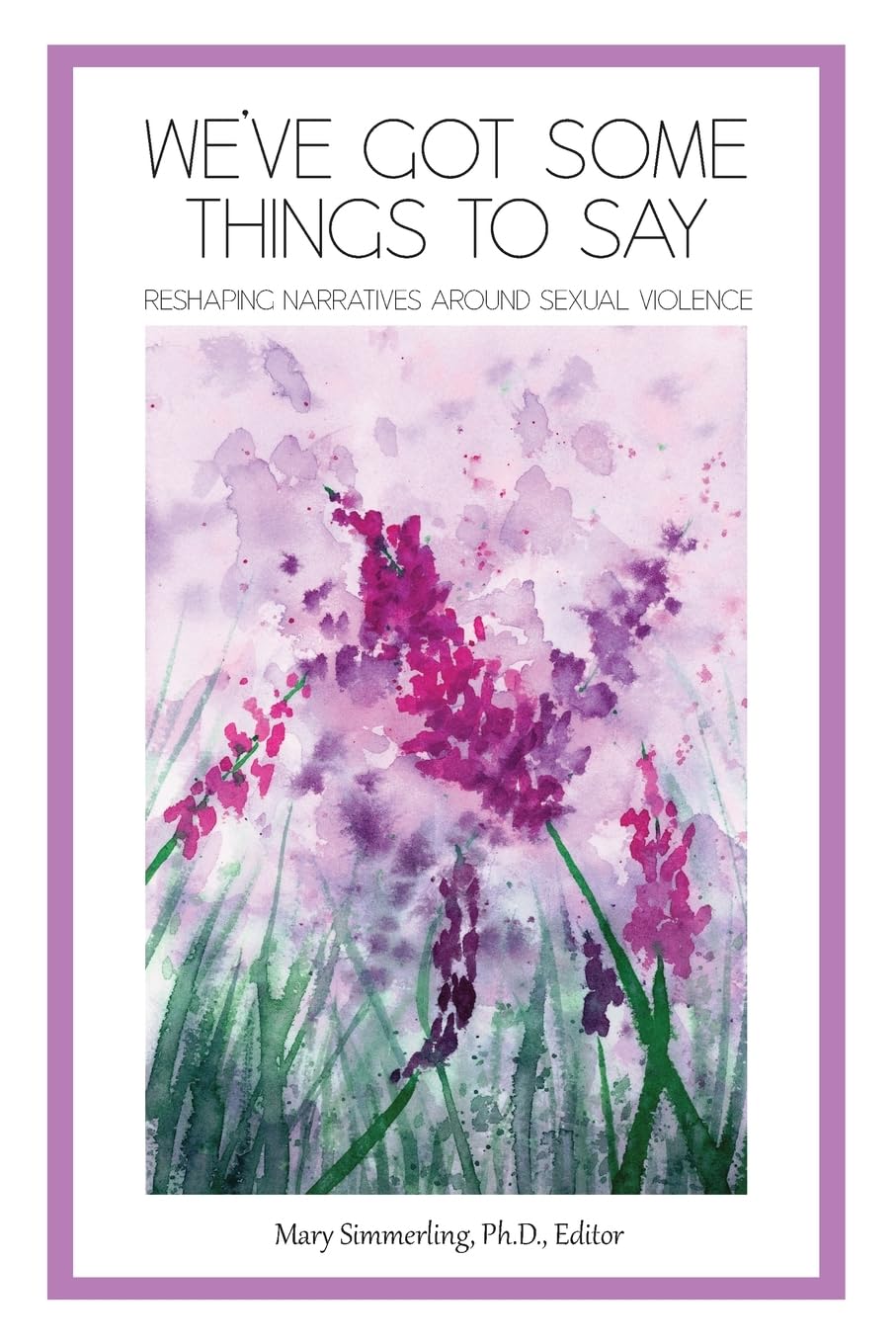
We've Got Some Things To Say


The anthology "We’ve Got Some Things to Say: Reshaping Narratives Around Sexual Violence" is a powerful collection of poems and prose that explores the profound and often harrowing experiences of survivors of sexual violence. The stories and poetry address the pervasive impact of trauma, the struggle for healing, and society's tendency to blame victims. Editor Mary Simmerling has curated works from survivors from diverse backgrounds, who bravely share their personal journeys of pain, resilience, and recovery. Each piece delves into the emotional and psychological aftermath of sexual violence, the pursuit of justice, and the transformative power of art and writing.

Simmerling, a survivor of sexual violence herself, has been conducting writing workshops for fellow survivors for many years. Her dedication to fostering raw and authentic expression in her collaborators is evident in the emotional depth of each piece they create. I appreciated the content warning that highlighted potential triggers for readers.

The poems and stories in “We’ve Got Some Things To Say” are heavy and intense. I found that it’s important to take breaks while reading the works to process the emotions that are coming up and avoid becoming overwhelmed. It is heart-wrenching to read the stories of survivors from childhood abuse. Isabella Moreno in “Counting Beauty Marks" recounts her childhood experiences and the lasting impact of sexual abuse. Sarah Kerr’s poem "Words in my Mouth" shares a narrative of betrayal and decay of trust.

What stands out—though it is not surprising—is that many survivors come from marginalized communities. This anthology highlights the voices of women of color and their experiences with sexual violence, resilience, and healing. Several contributions explore the intersectionality of identity, examining how factors like race, gender, sexuality, and socio-economic status influence the experiences of sexual violence survivors. For instance, Arabella Grayson's piece "A Hyphenated Line" addresses intergenerational trauma, while Angela Lore's works "Silenced" and "A Voice Restored" reflect on her experiences as a woman of color.

Although the content may be distressing, this collection serves as a tool for healing for both the writers and readers, while also advocating for social change. It invites readers to reflect on these experiences and encourages them to take action to end sexual violence and support survivors.

Saturday, February 1, 2025

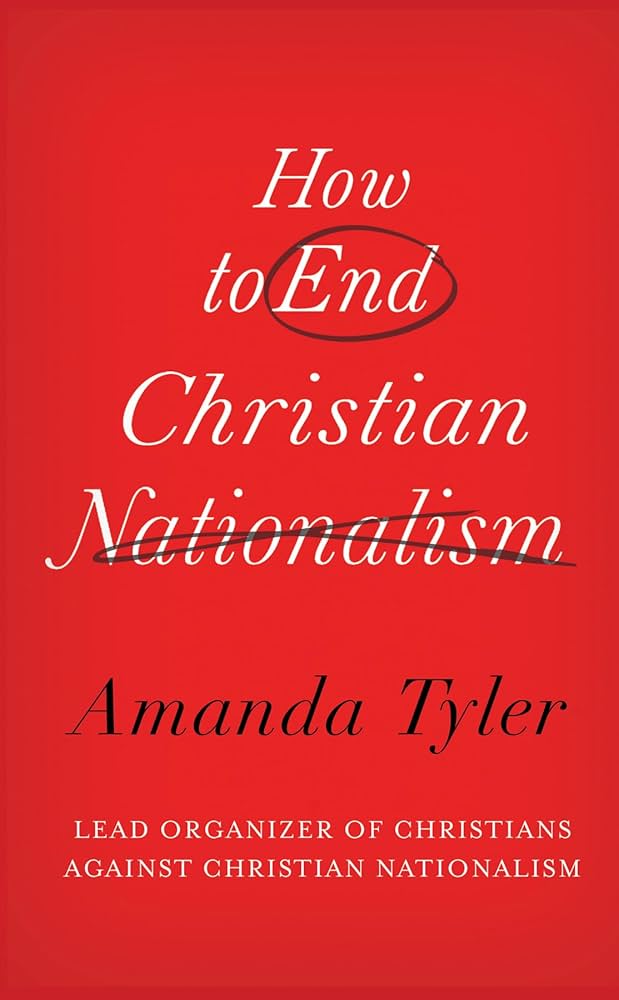
How to End Christian Nationalism


"How to End Christian Nationalism" addresses the alarming amplification of exclusionary rants to espouse certain political views from a Christian perspective. Author Amanda Tyler, a lead organizer of Christians Against Christian Nationalism, makes a compelling case for understanding the phenomenon that merges Christian and national identities to undermine democracy and produce violent outcomes for non-Christians. Tyler does well in establishing the foundation for defining Christian nationalism as a political ideology and cultural framework that is primarily not about religion but about ethno-national identity.

As a non-white immigrant Asian American woman, I approached the book with a unique perspective. My Christian upbringing has given me a deep understanding of its teachings, values, and beliefs, which I found to be in stark contrast to the white nationalist discourse. I particularly valued Tyler’s insights in fearlessly confronting the racist and xenophobic political messages that have infiltrated white nationalism and Christianity.

Tyler makes solid points about the separation of church and state being foundational to a thriving democracy. Readers of all faiths will learn how to discuss how this ideology conflicts with American history, the Constitution, and Christian teachings. She appeals to clergy, administrators, parishioners, and lay members and emphasizes the importance of starting within one's own community and church to address the harms of Christian nationalism.

Sunday, January 26, 2025

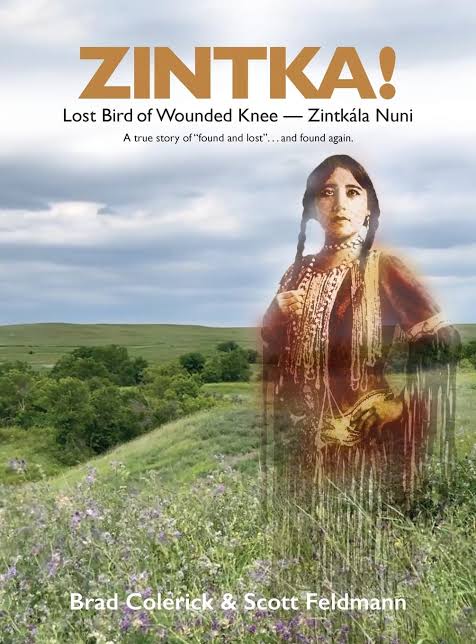
Zintka! Lost Bird of Wounded Knee


"Zintka!" is a comprehensive account of Zintkála Nuni's life, also known as Lost Bird of Wounded Knee. As an infant, she survived the Wounded Knee Massacre and was taken away by a White soldier as a trophy. This led to a life torn between her adoptive White family and the Indigenous Lakota community. The book, a companion to a film documentary of the same name, provides a detailed narrative of Zintkála Nuni's life, from her experiences in Indian boarding schools to her involvement in circuses, vaudeville, and Hollywood silent films before her untimely death in 1920, during the nationwide influenza epidemic

Collaborators singer-songwriter Brad Colerick and artist Scott Feldmann combine art, song, and narratives to illustrate the sorrow of Zintka’s sad life, which has been forgotten for 70 years. The rediscovery of her story—which led to her reburial at Wounded Knee in 1991—underscores the impacts of historical trauma and the resilience of Indigenous peoples. She was forcibly taken from her Lakota community as part of the assimilation policies during the colonization period. In boarding schools, she faced rejection and challenges in school due to racism and the perception of Native Americans as "uncivilized." She often encountered rejection from both children and adults in her White mother's social circles. After being expelled for rebellious behavior, Zintka found work in entertainment. She bore children in three marriages and endured intimate partner violence.

I reviewed the book from my perspective as a decolonizing settler colonist on Turtle Island (North America). Readers seeking to understand the complexities of identity and belonging and the lasting effects of colonization and genocide on Indigenous peoples would benefit from exploring Zintkála Nuni's life story. While I was well aware of the destruction of Indigenous communities, learning about Zintkála Nuni’s story broke my heart all over again.

The skillfully rendered volume contains poetry, song, and essays, offering striking visual representations of Zintkála Nuni’s journey and the historical context surrounding her experiences. The use of various public domain images, ledger art, and documents from institutions like the Library of Congress and the Smithsonian, along with ghostly illustrations, provides a captivating visual representation of her life and the historical context surrounding her experiences.

The book would be compelling for readers interested in Native American history and the effects of colonization on Indigenous communities. The authors create a compelling narrative, highlighting how Zintka’s tragic story was shaped by Manifest Destiny, the Wounded Knee Massacre, the breaking of treaties, the gold rush, and Indian boarding schools. The fate of Zintkála Nuni sheds light on the devastating impact of colonization and forced assimilation on Native Americans.