Sunday, September 22, 2024
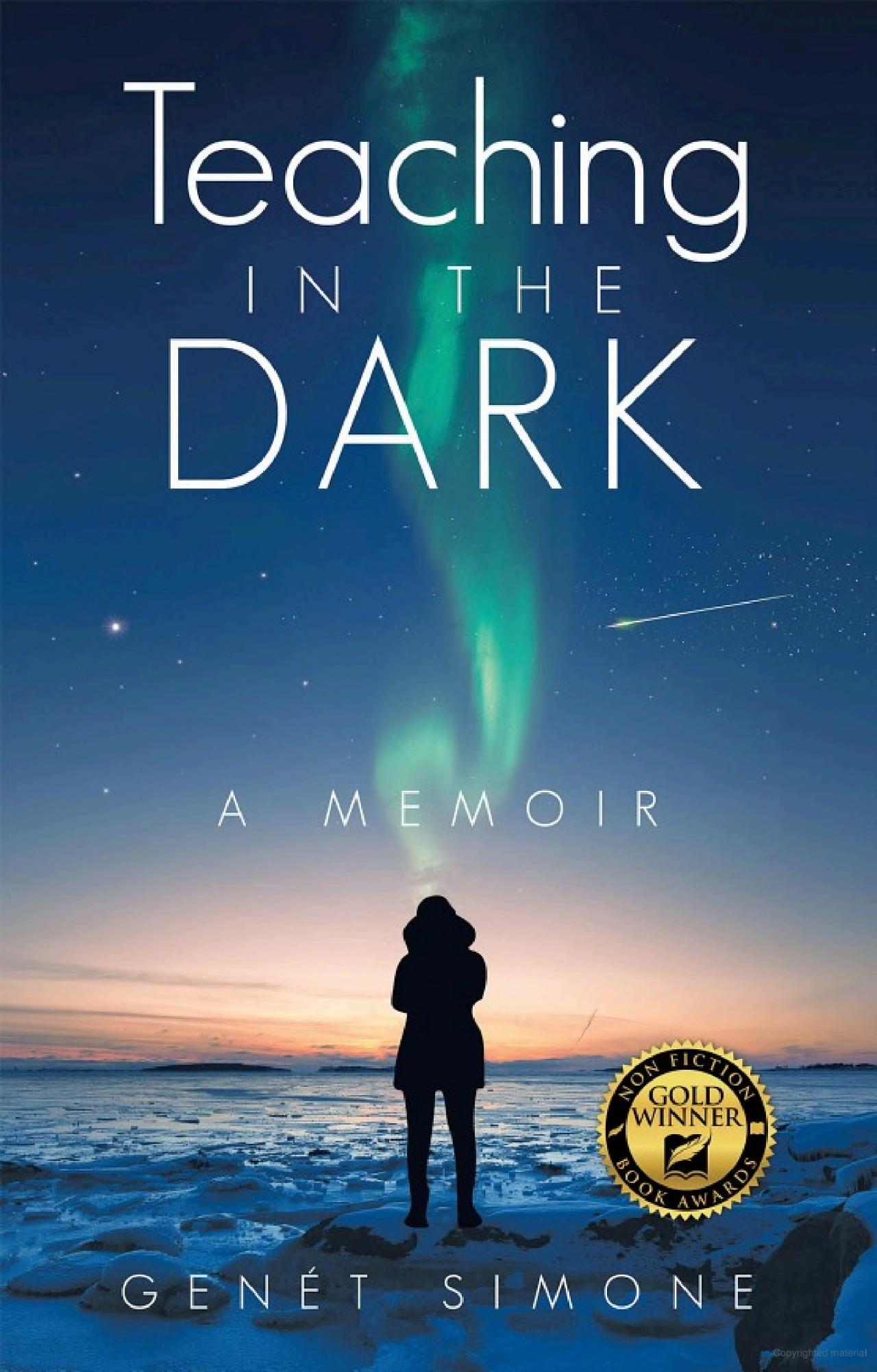
Teaching in the Dark: A Memoir
“Teaching in the Dark’ is one woman’s memoir about finding her life’s purpose as a teacher while living in Shishmaref, Alaska, a city on an island on the Chukchi Sea. Genét Simone writes about her experiences as a first-year high school teacher from Seattle, traversing cross-cultural boundaries while interacting with the Indigenous Iñupiaq peoples. Simone shares detailed recollections of life inside and outside the classroom, from living in a cabin without a flushable toilet to teaching literature without a curriculum.
The memoir also highlights adventure. From witnessing the Iditarod dog sled race to taking a trip to Little Diomede on the Bering Strait, readers join Simone in exploring the wild places near the Arctic Circle that are remote and untouchable to this day. Where else could a first-year teacher gain wondrous, once-in-a-lifetime experiences like eating fresh whale meat and reindeer herding? In the wintertime, Shishmaref is a dark, far-flung, and frigid place with only about three hours of daylight. Living in the village, she gained a deep appreciation for the lives of her students and their families. Stepping outside of the comfort zone of her lower 48 existence, Simone learns valuable lessons about grace, selflessness, and humility. She understands the importance of trusting others and self-reliance in a close-knit Native community.
“Teaching in the Dark” showcases Simone’s heartful and genuine voice. I was touched by the numerous teachable moments—both heartwarming and heartbreaking. Simone shares her vulnerable realizations about how much she did not know about the art of teaching. Every encounter with the locals taught important lessons about being an educator and lifelong student.
Saturday, September 14, 2024
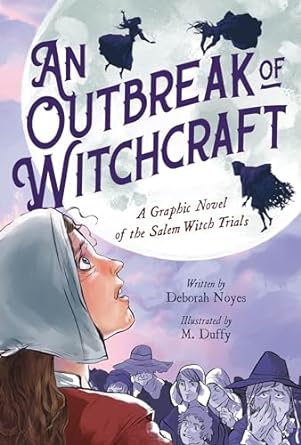
An Outbreak of Witchcraft
The Salem Witch Trials affected only a small English colony in a relatively short period of U.S. history, yet it continues to capture the imagination. In the graphic novel "An Outbreak of Witchcraft," researched and written by Deborah Noyes and illustrated by M. Duffy, the collaborators tell of the events of the Salem Witch Trials of 1692 when 20 innocent people were put to death. Several young women who fell ill with a mysterious disease shared damning testimony and accused their neighbors of casting spells.
In recent years, many books and documentary films have attempted to rewrite the narrative of the infamous period in history, marked by mass hysteria. This graphic novel differs in its approach because it presents the socio-historical and political contexts of the trials, while also depicting the court testimonies filled with fantastical and horrific visions captured in detail in court records. Thus, the reader gets insights into the 16th-century imagination that included encounters with the devil, shape-shifters, and familiars.
The title signifies that fear, anxiety, and the lack of trust spread like an infectious disease within the community beleaguered by famine and a rough winter. Puritanical perspectives led them to believe that afflictions and disasters are God’s punishment, for evil thoughts, words, and deeds.
Sunday, July 14, 2024
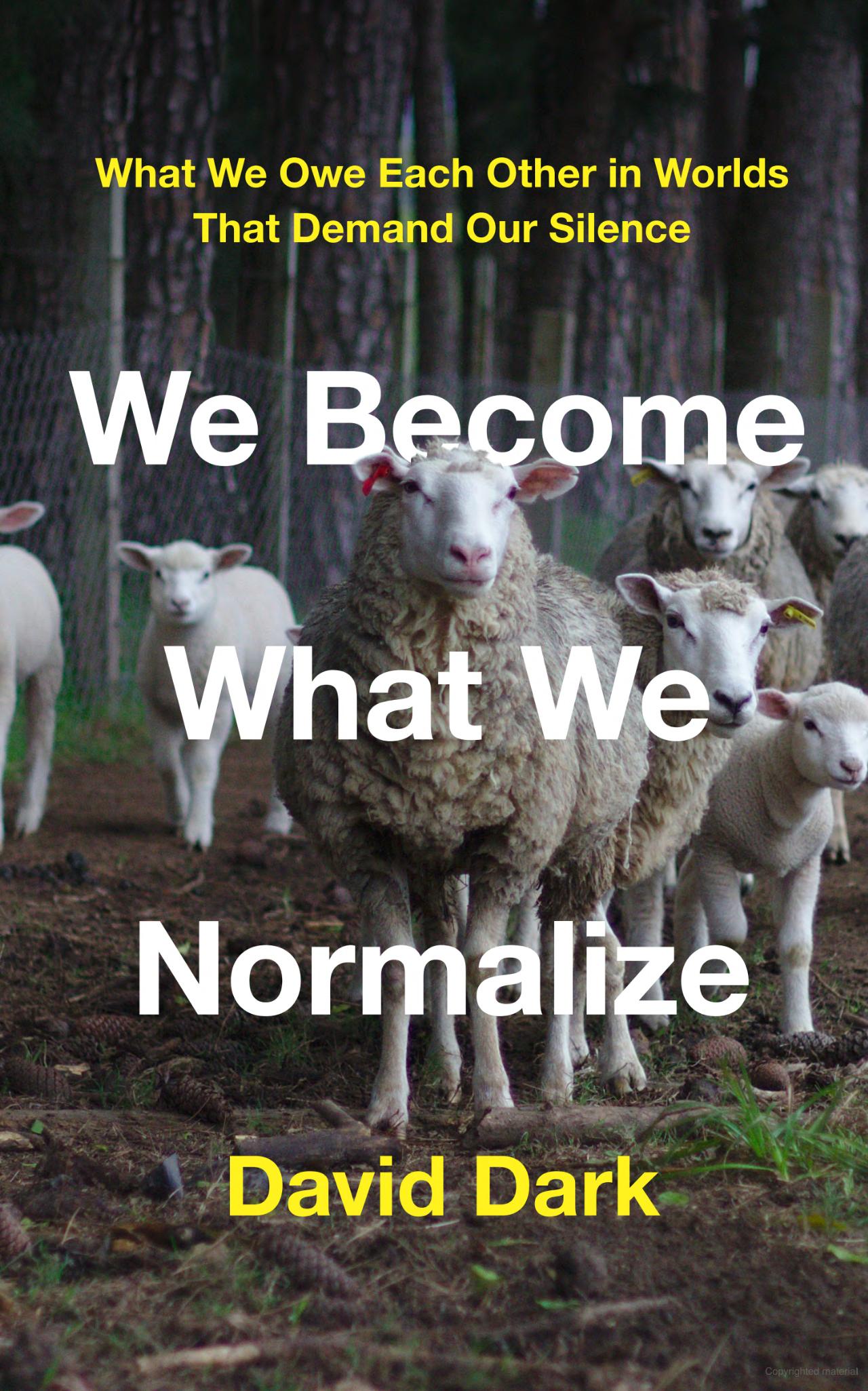
We Become What We Normalize
In the age of divisive and explosive cultural, religious, and political rhetoric that often plays out in social media, silence and complicity are common responses. When ideas borne out of reactivity – like demonizing women, migrants, and critical race theory – are shouted from the highest platforms and go unchallenged, we perpetuate and contribute to harm. Author David Dark challenges readers to exercise discernment, examine power, practice critical thinking, and avoid the reactionary impulse to join a bellowing crowd for survival’s sake. In "We Become What We Normalize," the acclaimed public intellectual wields a sharp critique of Whiteness, privilege, and authority that ensures the continuation of dysfunctional systems and institutions.
This book is an essential read, especially as Americans approach yet another tenuous political election cycle. There are voices of dissent from all sides of various issues, and most people who do not feel strongly about a concern are often voiceless and unheard. Whether fueled by indifference or anxiety, the decision to refrain from engaging in difficult but necessary conversations allows harm and violence to prevail. When individuals recognize their agency to interrupt deleterious power-over gatekeeping and gaslighting, we can change fear- and shame-based discourse to focus on our collective thriving. There is hope that by pondering Dark’s words, some of us may harness the courage and “authentic humanness” necessary to overcome systemic evils.
Saturday, June 22, 2024
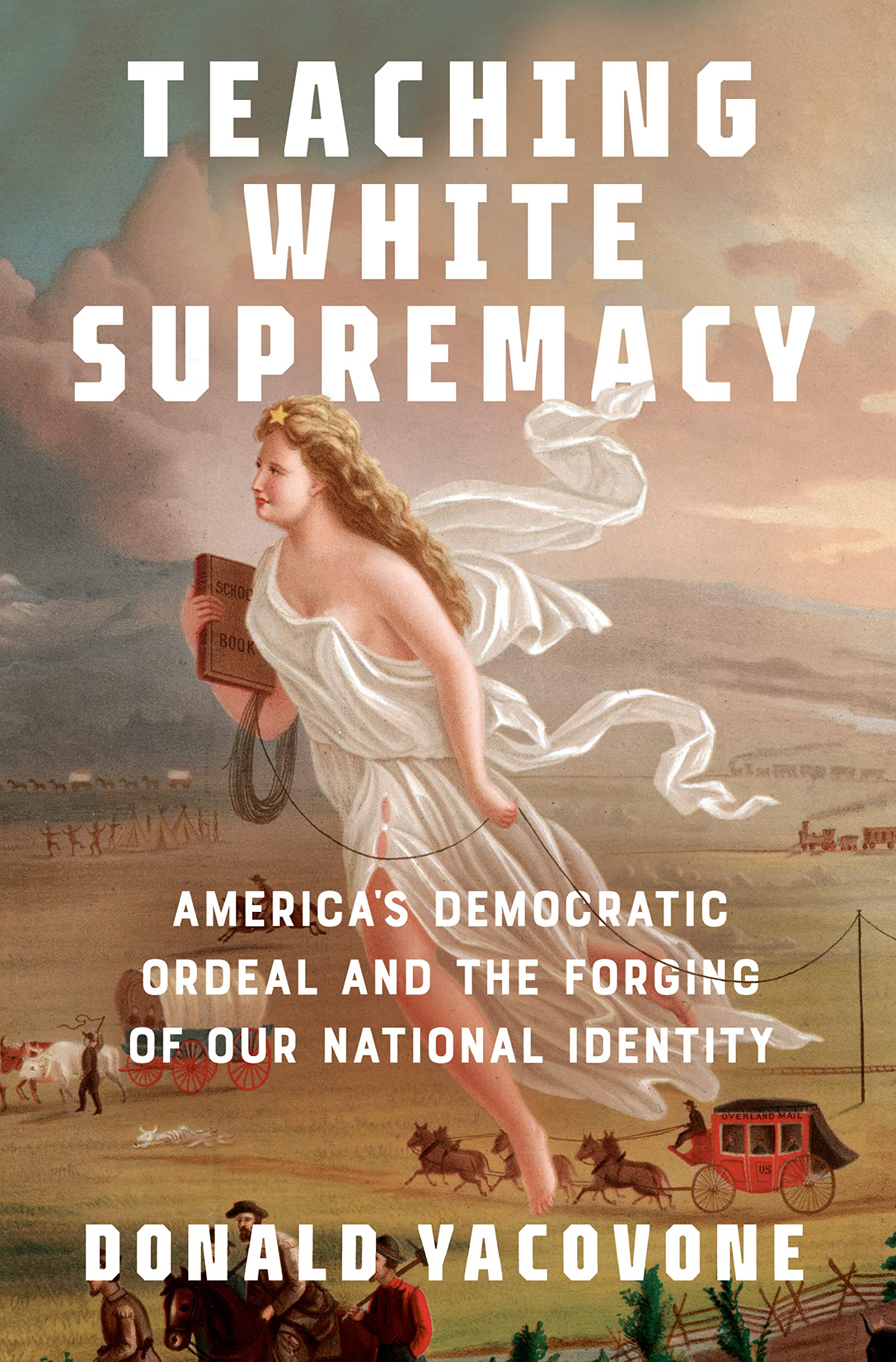
Teaching White Supremacy
Historian Donald Yacovone exposes evidence of America’s entrenched and enduring legacy of White Supremacy in its education system through "Teaching White Supremacy: America's Democratic Ordeal and the Forging of Our National Identity." Reviewing countless manuscripts, literary works, history books, and other primary sources, Yacovone identifies the continuous thread of racist and Eurocentric ideologies that ignored the Black American experience, justified and downplayed the brutality of slavery, and emphasized racial domination in the cultural narrative of the United States. The history of teaching history in American public schools in the US has always centered on White Anglo-Saxon ideals promoted by Northern writers. Yacovone painstakingly documents the incessant denigrating representation of enslaved Africans and Indigenous people in children’s textbooks. While the institution of slavery metastasized in the South, Yankee thinkers and authors sustained the invisibility of race and, in so doing, perpetuated and reinforced racism.
As educators and parents contend with the backlash against multiculturalism, it is important to understand the roots of the problem. Teaching White Supremacy is a critical addition to the profusion of texts naming the pre-eminence of the legacy of structural and institutional racism in U.S. society. What sets this book apart is Yacovone’s stature and lifetime expertise as a scholar and researcher of African-American history. His deep knowledge of the long arc of prejudiced beliefs and attitudes informs opportunities to rethink the past and defy the supremacy of Whiteness in American cultural identity.
Saturday, June 15, 2024
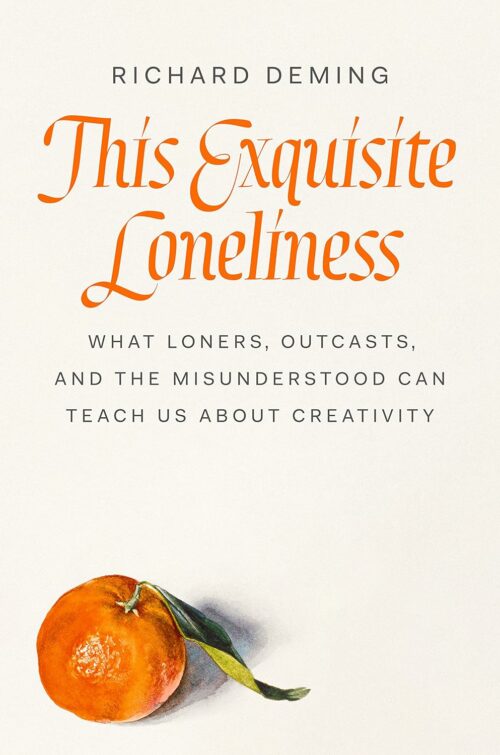
This Exquisite Loneliness
In "This Exquisite Loneliness," poet and critic Richard Deming pens an arresting and piercing analysis of the experience of profound aloneness and isolation from others. Deming excavates his own experiences in exploring both discontent and creative fervor as he examines the lives of six phenomenal figures, including writer Zora Neale Hurston, psychoanalyst Melanie Klein, Twilight Zone creator Rod Serling, and artist Egon Schiele. Part memoir and part character study, the author brings us to the recesses of his struggles with drug and alcohol addiction and relates his bouts with intense abandonment to the known lived experiences of other creatives
Deming pieces together information from autobiographies, interviews, and writings to formulate a coherent study of the extraordinary experience of transcending isolation and despair to create the most original and innovative works of art and writing. We learn that his connection to each of his subjects is deeply personal. For example, he writes about discovering Schiele’s haunting self-portraits as a teenager and Hurston’s works during a pivotal time of transition. Deming often wanders in the territory of an armchair psychologist, and his analysis could sometimes be a stretch. While passages that transition quickly into the author’s self-reflections about his own demons can be quite jarring, I recognize that this book would not be possible without a keen sense of introspection.
Subscribe to:
Posts (Atom)