Sunday, July 27, 2025

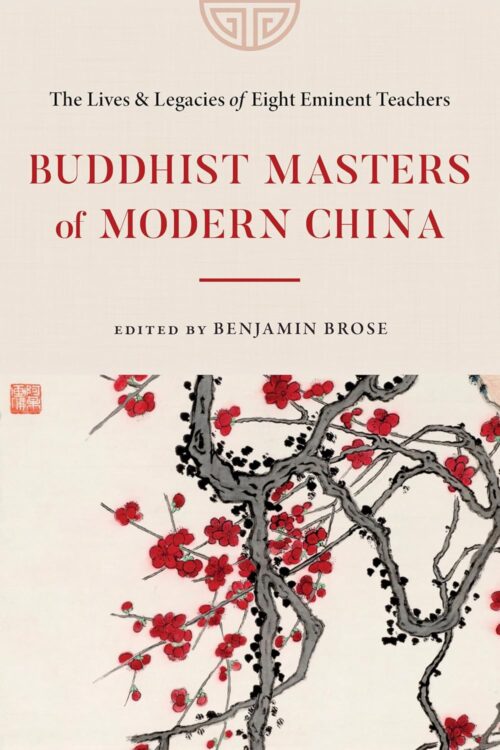
Buddhist Masters of Modern China

In the West, relatively little is known about how contemporary Chinese Buddhists live and practice their faith. As the global relevance of the Dharma grows—and as China’s economic and political influence continues to expand—interest has deepened in understanding how Buddhist traditions have endured and evolved in the country that once nurtured so many of them. In Buddhist Masters of Modern China, editor Benjamin Brose introduces readers to influential figures and their core teachings, presenting a rich tapestry of spiritual life in China.

Through eight biographical essays—each authored by a leading scholar of East Asian spirituality—the volume examines prominent figures from Buddhist traditions, including Chan, Huayan, and Pure Land. The inclusion of translated primary texts following each profile strengthens the book’s utility as both a scholarly and pedagogical resource.

The featured teachers lived and taught between the fall of the Qing dynasty in 1911 and the founding of the People’s Republic in 1949, a turbulent period of war, social change, and cultural transformation. The essays illuminate not only the teachers’ spiritual insights but also the historical challenges they faced. As a student of Buddhism, I especially valued the life stories of Xuyun, Laiguo, Benkong, and others whose teachings still resonate today. This volume illuminates how modern Chinese Buddhist leaders shaped contemporary practice and will be of value to both historians of religion and engaged Buddhist practitioners.

Editor's Note: This review was originally published in Chicago Book Review.  

Sunday, July 20, 2025

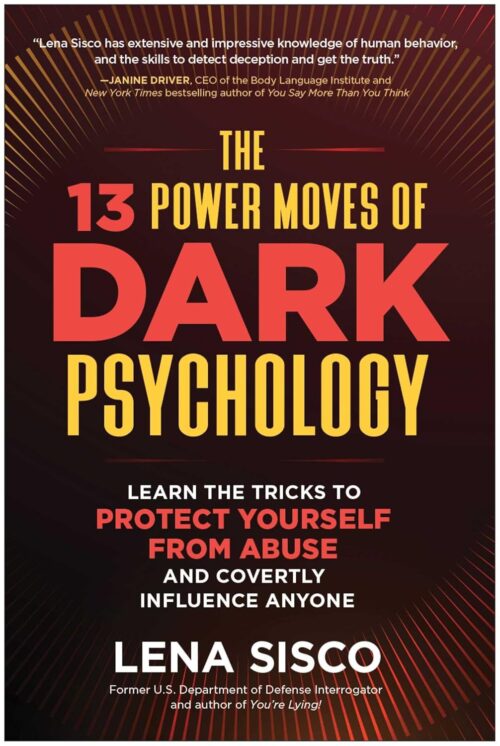
The 13 Power Moves of Dark Psychology

Lena Sisco’s The 13 Power Moves of Dark Psychology is an engaging and accessible guide for readers interested in understanding how exploitative and abusive behaviors take root in everyday life. Drawing on her background as an interrogator with the U.S. Department of Defense, Sisco distills years of professional experience into a practical handbook on recognizing and resisting manipulation. She focuses on the “dark triad” of personality traits—narcissism, Machiavellianism, and psychopathy—illustrating how these tendencies can wreak havoc on relationships, poison workplace environments, and derail lives.

What makes the book particularly effective is Sisco’s reliance on real-world examples. Drawing from her own experiences and observations, she shows how manipulative patterns emerge, how they can be identified early, and what strategies can help disarm them. The advice is pragmatic and immediately applicable, offering readers tools to navigate situations with toxic individuals in both personal and professional contexts.

Though the book is rooted in the self-help genre, it avoids the overly clinical tone often found in psychology texts. Instead, Sisco blends straightforward explanations with no-nonsense advice, creating a balance between accessibility and authority. Her writing is candid, clear, and purposeful, reflecting her background in military and intelligence settings. This directness makes the book especially valuable for readers who prefer advice that is both grounded and actionable.

Buy from Capital Books

 
Editor's Note: This review was originally published in San Francisco Book Review.


Saturday, July 5, 2025

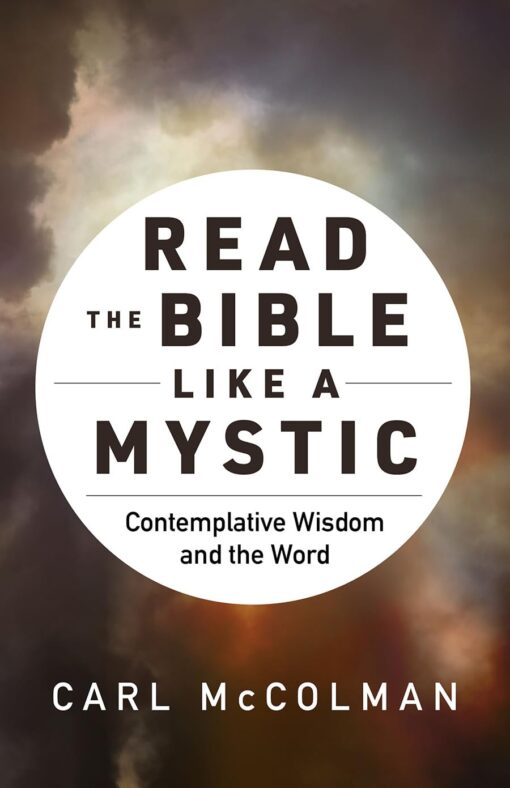
Read the Bible Like a Mystic


Read the Bible Like a Mystic is Carl McColman’s invitation to readers to consider a meditative, contemplative approach to reading and interpreting scripture. The fundamentalist view that the Bible contains the authoritative word of God, and therefore must be read “simplistically and literally,” has often led to alienation and prejudice. McColman’s approach offers hope for a more compassionate and understanding interpretation. Instead of picking certain stories and verses to support an unyielding point of view, McColman invites readers to engage scripture in a nuanced and transformative way. He presents examples of mystics such as Saint Augustine and Saint Teresa of Avila, centering on humility, wisdom, and justice in the exposition of God’s love.

With my Christian upbringing and study of Buddhist traditions, I maintain a healthy skepticism of religious fundamentalism. McColman’s critiques are offered in a direct yet compassionate way, but I doubt that Christians, who tend to have a rigid, unrepentant approach, will be swayed by his well-reasoned appeal.

Read the Bible Like a Mystic is a good read for recovering Christians repulsed by the judgment and self-righteousness of others. McColman offers a warm, inviting nudge to read the Bible again, welcoming all who seek a more compassionate interpretation. By approaching scripture through self-reflection rather than as history or a code of law, we expand our ability to forge a spiritual path rooted in compassion.

Editor's Note: This review was originally published in Seattle Book Review.
Buy from Capital Books